

Most of us recognize obvious lameness pretty quickly. But muscle pain and body soreness can be much harder to spot, especially in horses that quietly keep doing their jobs anyway.
I think horse people sometimes get so used to little behaviors — tail swishing, stiffness, resistance, head tossing, difficulty picking up leads — that we start calling them quirks instead of asking whether the horse is uncomfortable.
That’s one reason equine massage has become such a valuable part of many horses’ wellness routines.
Recognize the Signs that Your Horse Needs Help
By Mary Lou Langley
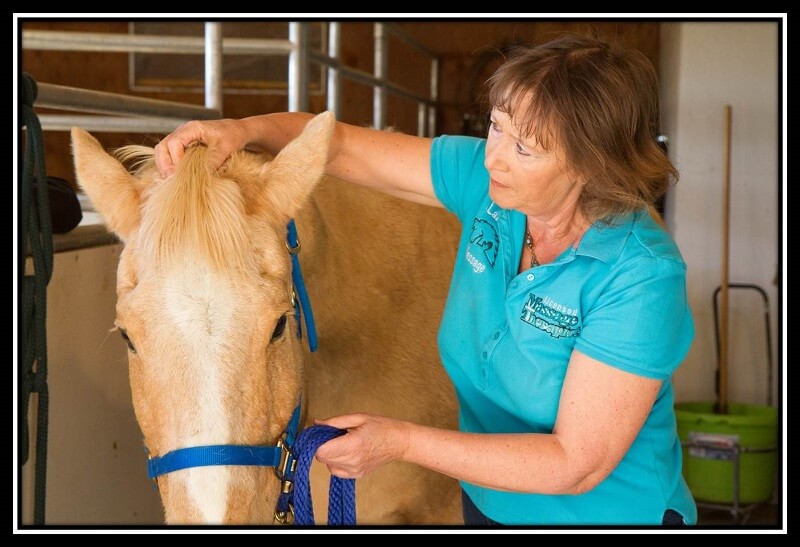
In my experience as a licensed human and equine massage therapist, I’ve found all horses benefit from massage.
The key is to recognize the language of pain, when a horse whispers (or screams), “Help me!” What is rewarding about providing equine massage is the opportunity to be a voice for the horse. A session may bring light to their individual story (or a piece of the puzzle) of how they came to be the way they are.
How a horse stands, moves, and acts are all indicators of musculoskeletal compensation. Every part of a horse’s body is connected. Simply stated, when one part is weakened, another region is taxed. This area then becomes overworked and guarding of muscles or injury can develop. If left undetected and untreated things go from bad to worse.
Time is not your friend when it comes to resolving muscle restrictions. Adhered muscle fibers or scar tissue need to be manually manipulated to be released. These restrictions won’t go away on their own, perpetuating the vicious pain cycle and likelyhood of continued injury and lameness.
Massage stretches, flattens and broadens the muscle fibers. Freeing up an inflexible muscle increases the flow of oxygen-rich blood to the area and removes metabolic waste-toxins. Massage can facilitate a nervous system response. We want to flip off the switch on the primitive brain of “fight or flight” and turn on the parasympathetic nervous system which governs the rest and peaceful state. A horse that is “jacked-up” and unable to mentally relax won’t perform at its best.
Horse owners can recognize signs that are indicative of the language of discomfort and pain. The following list depicts some of these signs.
Teeth, Head and Neck Issues
- Biting or grinding teeth
- Pinning ears, ear and head evasion
- Head tossing and shaking
- High-headed or stargazing
- Bridling issues (doesn’t open mouth)
- Stiff neck, lack of flexion at poll, tight shoulder, can’t stay collected
Barrel/Rib Area
- Cinchy
- Sore back
- Breathing problems (with exertion)
Hind End Issues
- Swishing, wringing or clamped down tail
- Kicking
- Dragging toes
Gait Deviations (Decline in Performance)
- Short-striding, lead refusals, or can’t maintain gaits
- Stiffness in a gait or lateral movement, not rounding up in the back or stepping under with the hinds, refusals or reluctance to perform a task (horses are notjust being lazy, there is usually a reason they don’t want to do it!)
- Stumbling
Behavioral
- Attitude: depressed, stressed, anxious, irritable or lethargic
- Doesn’t want to be touched (groomed)
- Rearing or crow hopping
While teaching this material at a two-day clinic, a horse owner cried out, “Shoot, my horse does everything on the list!” She was very pleased to learn basic techniques to assist her horse in recovery.
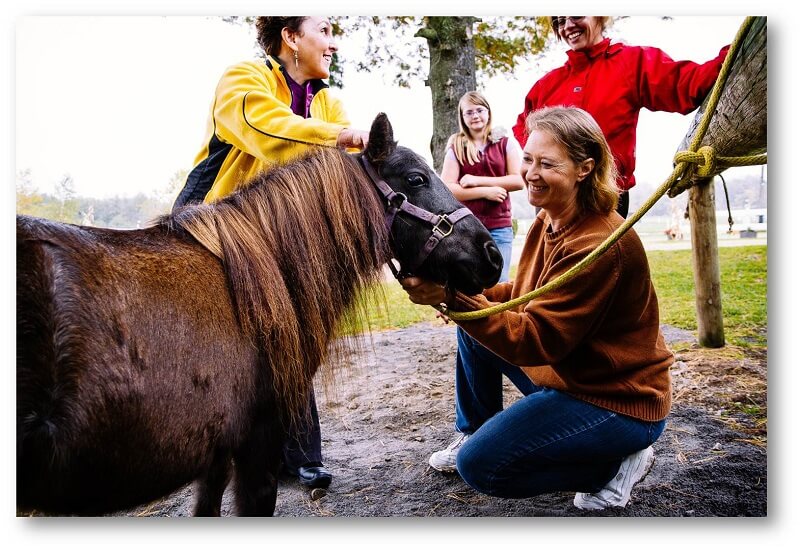
Horses are creatures of habit and masters at hiding their weaknesses. They get used to functioning in a limited way. Strong and flexible muscles will allow a horse to achieve your goals. When restrictions are released and pain levels are decreased, new-found freedom is felt physically and emotional liberty is invoked.
Massage can be a powerful tool in any wellness and longevity program. Older horses greatly profit from the comfort and sustaining benefits of massage. It’s no longer a luxury but a valuable alternative.
If you’re interested in learning techniques to massage your own horse, consider attending one of my 2-day self-enrichment clinics. Langley Equine Studies offers clinics on-campus annually. If you are interested in attending or hosting one in your area contact me for availability.
Originally published at https://nwhorsesource.com/does-my-horse-need-massage/

Mary Lou Langley is the founder of Langley Equine Studies (Washington State Licensed Equine Massage College). This vocational college is licensed/approved by the Workforce Training and Education Board and the Department of Health Board of Massage. She is a Licensed Massage Therapist, holding both human and large animal endorsements. Mary Lou has been legally blind since 1998. She is still riding horses and successfully operates her own massage practice.
She is a graduate of Aspen Equine Studies, 2004, Sage Academy of Massage 2010 and is also “Nationally” certified through NBCAAM (National Board of Certified Animal Acupressure and Massage).
Mary Lou served her community for a decade as a 4-H leader. She was the founder and coach for the first WA State High School Equestrian Team in Grant County. For years she has taught at youth rodeo camps. Her passion for horses and teaching were the perfect recipe and motivating factor behind starting her school.
Mary Lou Langley
www.LangleyEquineStudies.com
509-246-8053
[email protected]
