

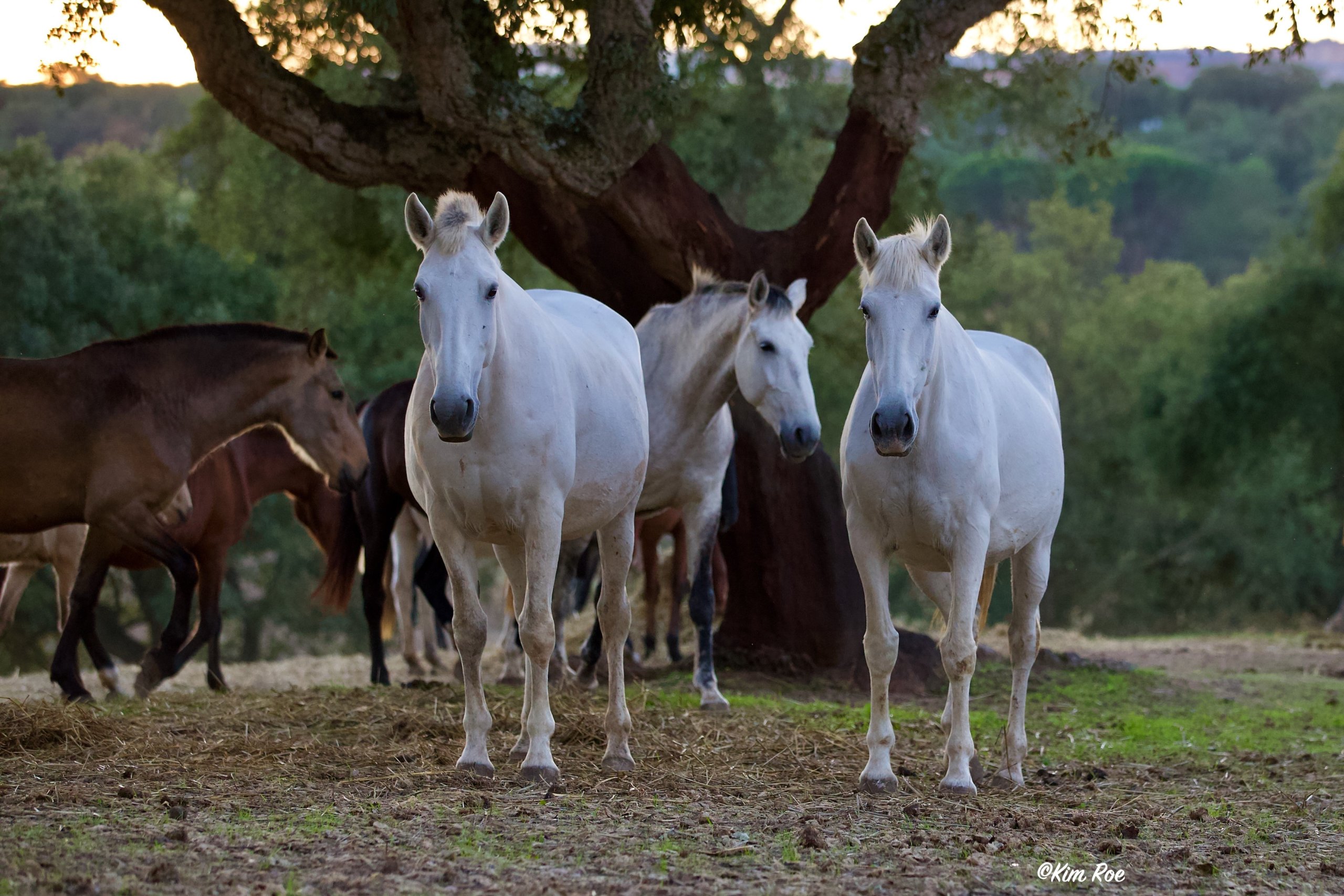
Most horses don’t need a huge pasture or a fancy barn to be happy. But they do need companionship.
I learned that lesson years ago with a horse who had everything I thought he needed — good feed, turnout, shelter, and plenty of room to roam. On paper, it looked ideal. But he paced fence lines constantly and slowly became thinner and more anxious no matter what I tried. Looking back now, the problem seems obvious. He was lonely.
Horses are herd animals by nature, and even the quiet, stoic ones feel the stress of isolation more deeply than many of us realize.
All equines are herd animals by nature. Like humans, horses need interaction with members of their own species in order to thrive. But as prey animals, it’s a biological imperative for equines to be part of a herd. The herd represents safety from predators for themselves and their offspring. Being part of a herd also aids in the search for food, water, and shelter from inclement weather.
Horses who live without the companionship of other horses are under constant stress. This stress isn’t always visible to the humans who care for and love them. Many horses are stoic and don’t always show their distress, instead they internalize their fear and anxiety.
Unfortunately, many equestrians don’t have the time or money to take on more than one horse. What are the consequences of keeping a horse alone? What can we do about it?
Consequences of the Lonely Horse
Behavioral Problems
Years ago, I had just one horse with a stall that turned out onto twenty acres of pasture. I remember watching my poor horse pace those long fence lines and become thinner and thinner even though he had acres of grass. If I locked him in his stall, he would pace the stall walls.
Other horses might alleviate their stress by chewing wood, cribbing (sucking air while gripping something with their teeth), digging holes, kicking walls or some other destructive behavior. They may have training issues arise like refusing to go forward or spooking.
There are many manifestations of stress in horses. Some horses are obviously depressed, hanging their head and lacking curiosity about their world. Other horses become cranky and sour, maybe even aggressive. It’s up to us to carefully observe our horses, paying attention to signs they aren’t happy.
Health Problems
Sleep Deprivation: Horses must lie down fully to achieve deep, rapid eye movement (REM) sleep. Solo horses sometimes don’t feel safe enough to lie down and enter this deep sleep state and therefore become sleep deprived. These horses may be so exhausted they can be seen to nearly collapse while standing, knees and fetlocks buckling, before they suddenly wake up. Sometimes these horses will have cuts on hocks and fetlocks where they’ve collapsed in exhaustion repeatedly.
Poor Appetite and Ulcers
Ulcers are a common side effect of stress, especially when you have a horse that doesn’t eat well. Horses naturally like to eat together, heads down and side-by-side in the field. When deprived of companionship they won’t eat as well and the lack of food in a horse’s stomach starts the process which only gets worse with time. The worse the ulcers, the more the horse won’t eat (and sometimes won’t drink) and then the ulcers get even worse. Severe ulcers lead to performance problems, health problems, and even colic.
Cortisol Spikes
Stress produces many hormone disfunctions. This can lead to problems with insulin resistance and perhaps even exacerbate Cushing’s disease and other metabolic disorders.
What Can We Do?
Ponies, Minis and Donkeys
My solution for my lonely horse was to buy a pony. My horse quit pacing, started eating, and became a happy horse again. He and the pony went out together in the field, but I separated them for feeding and stabling. Shetland ponies, miniature horses and donkeys make wonderful, inexpensive, and low impact companions to horses as they use fewer resources and take up less space. And because they are equines, their behavior immediately syncs with a horse. Many are able to “hold their own” in turn-out with a full-sized horse but you will need to be careful to limit their food intake to match their size.
Rescue or Board
Another consideration might be to rescue or board a senior horse or offer to board a friend’s horse. You may still have problems if the other horse leaves often to trailer out to lessons, trail rides, or horse shows. A retired senior horse can be a wonderful companion for your horse, especially if it isn’t leaving the property on a regular basis.
Non-equids
If another equine is out of the question goats have long been used to calm horses and can provide some relief for loneliness. Some horses become friends with llamas and cows as well. These non-equines don’t speak “horse” so your horse may still crave companionship though.
If you absolutely can’t take on another equine, goat, llama or cow, there are still a few things to help your lonely horse.
Regular Grooming and Exercise
Horses crave touch so spending time grooming daily will help relieve this need. Exercise will lower the stress hormones and reduce anxiety. Keeping to a schedule will also help to reduce your horse’s stress and loneliness. Horses do take comfort from humans, but you must work hard to be a substitute for another horse. Playing games and doing liberty work can be a welcome break for your horse from regular riding.
Remember, a solitary horse in a field without companionship is not a happy horse. Providing them with companionship, exercise, and regular grooming is part of being a responsible horse owner.
Originally published at https://nwhorsesource.com/the-lonely-horse/
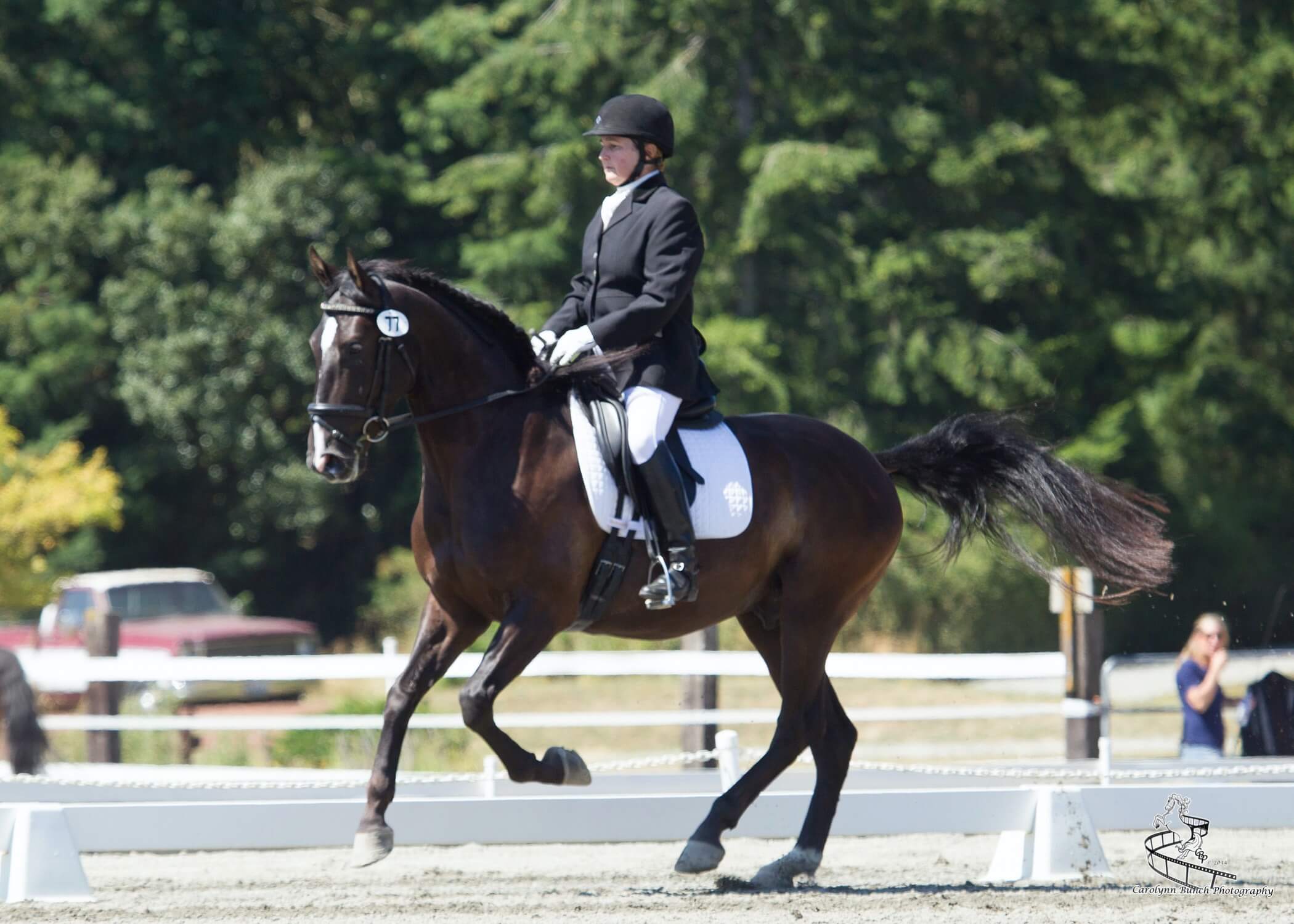
Kim Roe grew up riding on the family ranch and competed in Western rail classes, trail horse, reining, working cow, and hunter/jumper. She trained her first horse for money at 12 years old, starting a pony for a neighbor.
Kim has been a professional dressage instructor in Washington state for over 30 years, training hundreds of horses and students through the levels. In recent years Kim has become involved in Working Equitation and is a small ‘r’ Working Equitation judge with WE United.
Kim is the editor of the Northwest Horse Source Magazine, and also a writer, photographer, and poet. She owns and manages Blue Gate Farm in Deming, Washington where she continues to be passionate about helping horses and riders in many disciplines.
