


BRYAN-COLLEGE STATION, July 16, 2026 — A pasture full of green grass can be a welcome sight for livestock owners, but what grows in the field does not always tell the full story of the nutrition available to animals.
Because pasture conditions change throughout the year, veterinarians can help producers assess forage quality, identify nutritional gaps, and determine when supplementation may be needed.
Dr. Kevin Washburn, a professor at the Texas A&M College of Veterinary Medicine & Biomedical Sciences, explains how veterinarians work with producers to build feeding plans that support herd health throughout the year.
Building a strong foundation
Every nutrition program starts with the basics: clean water, quality forage, and access to a balanced mineral mix.
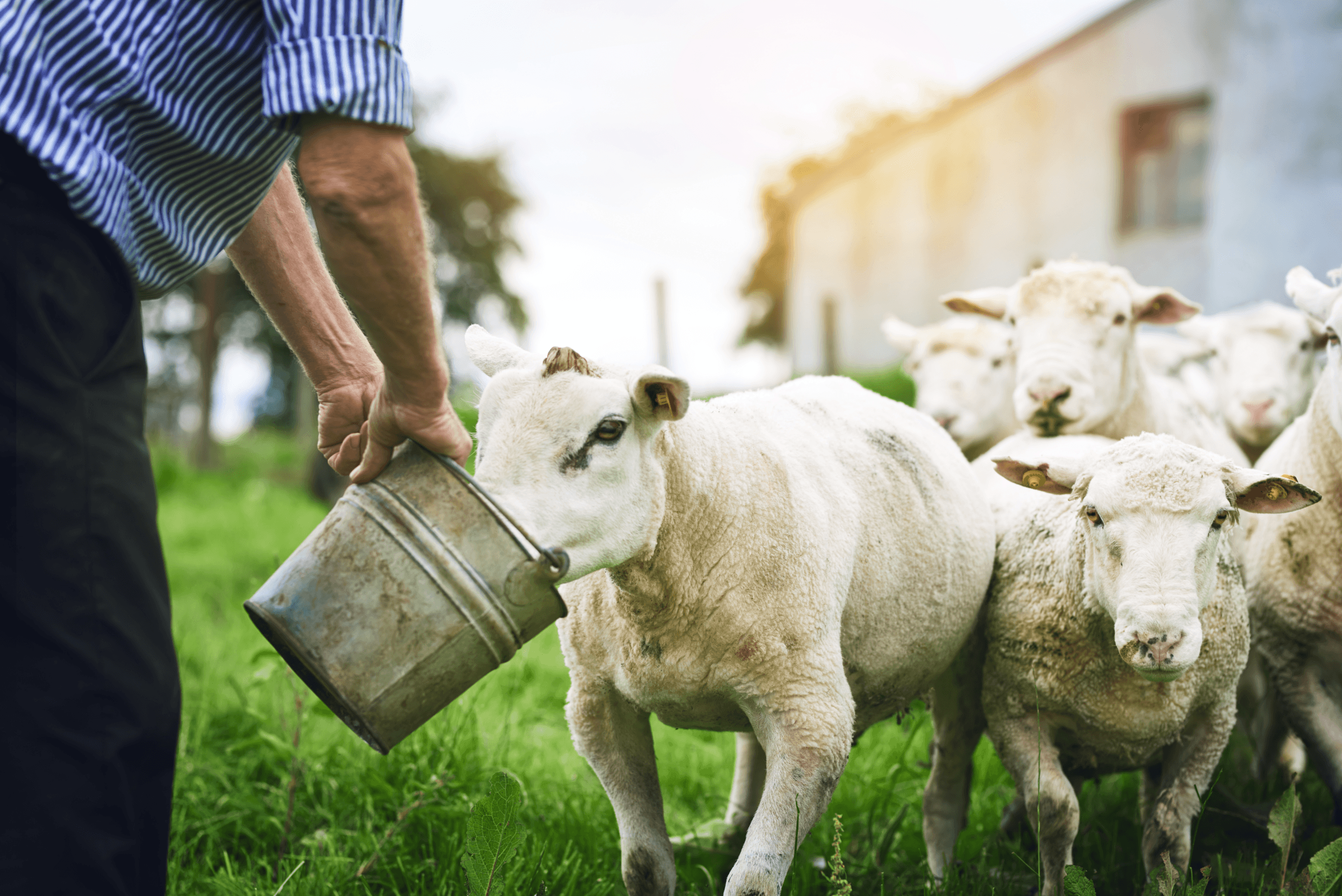
For ruminants such as cattle, sheep, and goats, properly managed pasture can provide most of the nutrition they need without the need for supplements.
“A ruminant could go in a pasture with fresh water, grass, and shade and have everything that they need,” Washburn said. “They don’t need any extra concentrate because they can make their own protein, fats, glucose, B vitamins and vitamin K out of good quality forage by itself.”
However, maintaining a productive pasture requires careful management.
“If you have too many animals on a pasture, you’re never going to get any kind of pasture growth and you’re going to have to supplement them all the time because you’re not going to have grass,” Washburn said.
That’s where a veterinarian’s expertise can help producers make informed decisions for their animals.
Breaking down the details
A veterinarian can determine whether a herd’s available nutrition is meeting their needs by looking at body condition, production goals, and overall health.
“Every species of livestock has what we call a body condition score,” Washburn said. “It’s on a scale — cattle are one to nine, dairy cattle one to five, and small ruminants one to five.”
During herd health visits, veterinarians can evaluate animals as a group and look for patterns that may point to larger concerns.
“On my visits, I see all of the animals,” Washburn said. “If I see that one or two of these are in a lower body condition score, that might be an individual animal issue such as a parasite problem.”
When changes are seen across the herd, the concern may indicate a problem that goes beyond an individual animal.
“When you see all 50 or 60 of them in a lower body condition score, then you start thinking there’s a nutritional issue,” Washburn said. “We should look at what nutrients are available by testing the pasture, hay, and minerals.”
Through this process, veterinarians can help producers understand whether their nutrition program is meeting the herd’s needs.
“If all of your animals are doing great, they’re fat and slicked off in the summer, then you know you’re doing something right,” Washburn said. “But if most of them aren’t, then we need to figure out what’s going on.”
A taste of every season
Weather, rainfall, grazing pressure and plant growth all affect the nutrients available to livestock throughout the year; therefore, seasonal evaluations help producers and veterinarians understand how their pasture changes and whether adjustments are needed.
“If you’re working with your veterinarian on herd nutrition, twice a year is a good place to start,” Washburn said. “I would want to get those numbers in the spring and then again in the fall, right after summer, to see where we are.”
Veterinarians also help producers identify potential risks associated with changing pasture conditions.
“We would think about: Do you have any grass left? What does it look like and what value does it still provide?” Washburn said. “Grass can still have value even when it is not as high in protein, so understanding what you have available helps you make better and more economical decisions about supplementation.
“For example, one thing we worry about with lush, rapidly growing spring grass is magnesium,” Washburn said. “Low magnesium levels can put lactating beef cattle at risk for grass tetany, a potentially fatal condition.”
Other pasture challenges can develop after drought conditions, rainfall events, or changes in plant growth.
Pasture Talk is a service of the College of Veterinary Medicine & Biomedical Sciences, Texas A&M University. Stories can be viewed on the web at vetmed.tamu.edu/news/tag/pasture-talk. Suggestions for future topics may be directed to [email protected].
News from the horse industry. Sharing today’s information as it happens. The Northwest Horse Source is not responsible for the content of 3rd party submissions.
