
Thank you for supporting the businesses that support NWHS!

Three Not-So-Common Myths about Feeding Horses

Dr. Getty

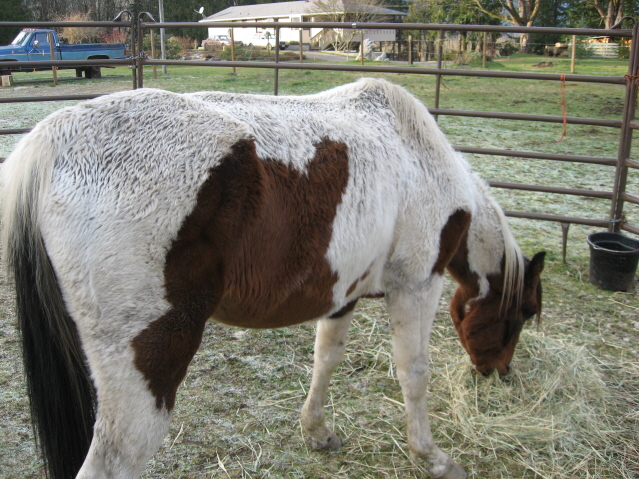
by Juliet M. Getty, Ph.D.   Horses are complex animals, and correctly meeting their nutritional needs can be challenging. We all have our horses’ best interest at heart, but it is easy to understand how feeding misconceptions can occur. Here are three not-co-commonly held myths. Myth #1:  Horses don’t need … Read More

Want practical, safety‑focused horse care guidance like this?

Get it by Email

What Your Horse Really Wants For the Holidays

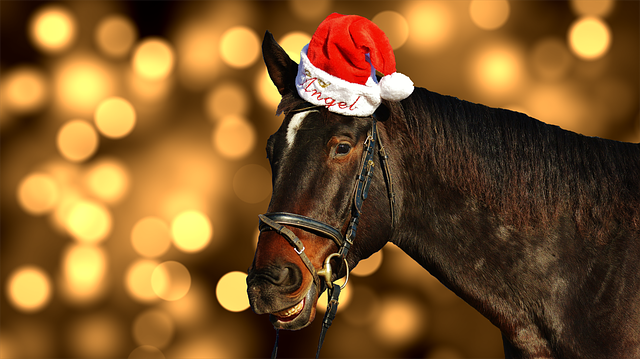
By Jennifer Roberts   With the hustle and bustle of the holidays, trying to fit in all of the parties and select the perfect gifts, it can be hard to make time for the barn. But, let’s face, any time spent with our four-legged best friends helps to de-stress and … Read More

Want practical, safety‑focused horse care guidance like this?

Get it by Email

How to Destress Your Off the Track Thoroughbred

Lexington, KY – Low body condition score and poor top line are symptoms of stress in performance horses. The most effective approach to correcting these conditions is to figure out what is causing the stress and taking appropriate steps to alleviate the stress factors. Correcting low body condition and poor … Read More

Want practical, safety‑focused horse care guidance like this?

Get it by Email

Winter Challenges and Caring for Senior Horses

December 2016

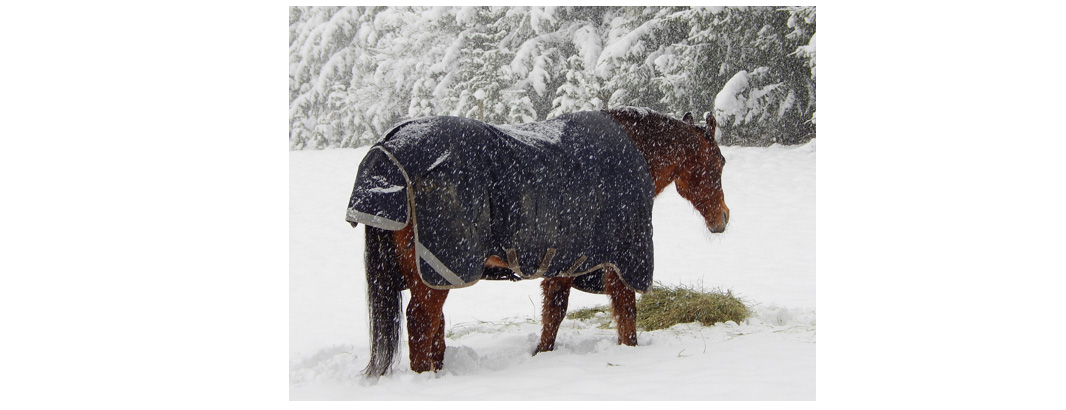
Senior Horses Present Unique Needs in Winter Weather by Karen E. Davison, Ph.D. and Katie Young, Ph.D.   Every season brings horse care challenges and winter is certainly no exception. Weather changes and forage availability are usually major issues of concern for horse owners during winter months. These challenges are … Read More

Want practical, safety‑focused horse care guidance like this?

Get it by Email

You Can Help Prevent Colic

December 2016

10 Considerations to Reduce the Risk by Dave Sauter, DVM   Colic is one of those words that triggers fear in the hearts of horse owners. Colic is a leading cause of death in horses. National estimates (NAHMS, USDA) indicate that about 4 out of 100 horses will colic in … Read More

Want practical, safety‑focused horse care guidance like this?

Get it by Email

Winter Freedom!

By Juliet M. Getty, Ph.D.   Brrrr! It’s cold! Time to take that heavy jacket out of the closet. And it’s time to prepare the barn! Extra soft bedding, perhaps some nice relaxing music. Close the windows. Even get those heaters going. Make stall cozy. But here’s a secret… Horses … Read More

Want practical, safety‑focused horse care guidance like this?

Get it by Email

Colic or Ulcers?

Colic

Unfortunately, some horse owners know the signs of colic all too well. Poor performance, decreased appetite or poor body condition are all signs of ulcers.1 Another possible sign of ulcers? Recurrent colic.1 At the basic level, colic is defined as abdominal pain.2 But what causes colic? Anything from a buildup of gas, … Read More

Want practical, safety‑focused horse care guidance like this?

Get it by Email

EQUITOPIA COMMITS TO CHAMPIONING EDUCATION TO BENEFIT EQUINE LONGEVITY AND VITALITY

VIDEO INTERVIEW WITH JOHN LYONS ON TRUE ENGAGEMENT November 14, 2016 (Fairfield, CA) – Equitopia, www.EquitopiaCenter.com, interviews the legendary western trainer, John Lyons, on the fundamentals of engaging a horse’s core. Proper engagement benefits a horse by correctly using core muscles to enable the horse to improve balance, better carry … Read More

Want practical, safety‑focused horse care guidance like this?

Get it by Email

Six signs of good quality horse hay

Use these six helpful tips when choosing quality hay for your horse.   Shoreview, Minn. [November 3, 2016] – Forage makes up between 50 and 90 percent or more of a horse’s diet. Much of the forage part of the diet comes in the form of hay. Because it’s such … Read More

Want practical, safety‑focused horse care guidance like this?

Get it by Email

generac-home-standby-generator-banners
💬