
Thank you for supporting the businesses that support NWHS!

Still Using Barn Lime? Think Again

By Jennifer Roberts   Are you still using barn lime in an attempt to control the ammonia in your horse’s environment? Quite frankly, this archaic method of odor control just doesn’t cut it anymore. Barn Lime (also referred to as Ag Lime or Dairy Lime) has essentially no ability to … Read More

Want practical, safety‑focused horse care guidance like this?

Get it by Email

Q&A: Leptospirosis – A Hidden Threat

Help protect your horse with a safe and effective vaccine Leptospirosis is a bacterial infection caused by spirochetes belonging to Leptospira spp. The bacteria can affect many mammals, including wildlife, cattle, dogs, horses and even humans. WHAT CAUSES LEPTOSPIROSIS? Horses often become infected when exposed to: Contaminated soil, bedding, feed … Read More
Want practical, safety‑focused horse care guidance like this?

Get it by Email

2017 New Travel Requirements for Oregon, Washington and Idaho

February 2017, courtesy Oregon Horse Center’s Facebook Page – Just a heads up for anyone traveling to OHC from WA or ID… 2017 New Travel Requirements for the State of Oregon, Washington and Idaho “I want to notify you that the Oregon Department of Agriculture (ODA) has elected to terminate … Read More

Want practical, safety‑focused horse care guidance like this?

Get it by Email

Myth: A Shiny Horse is a Healthy Horse

By Juliet M. Getty, Ph.D.   Fat from any source will make your horse shiny. A fatty substance called sebum, secreted from the sebaceous glands in your horse’s skin, increases when the diet is higher in fat. It coats the hair, making it reflect the sun’s rays. Any fat will … Read More

Want practical, safety‑focused horse care guidance like this?

Get it by Email

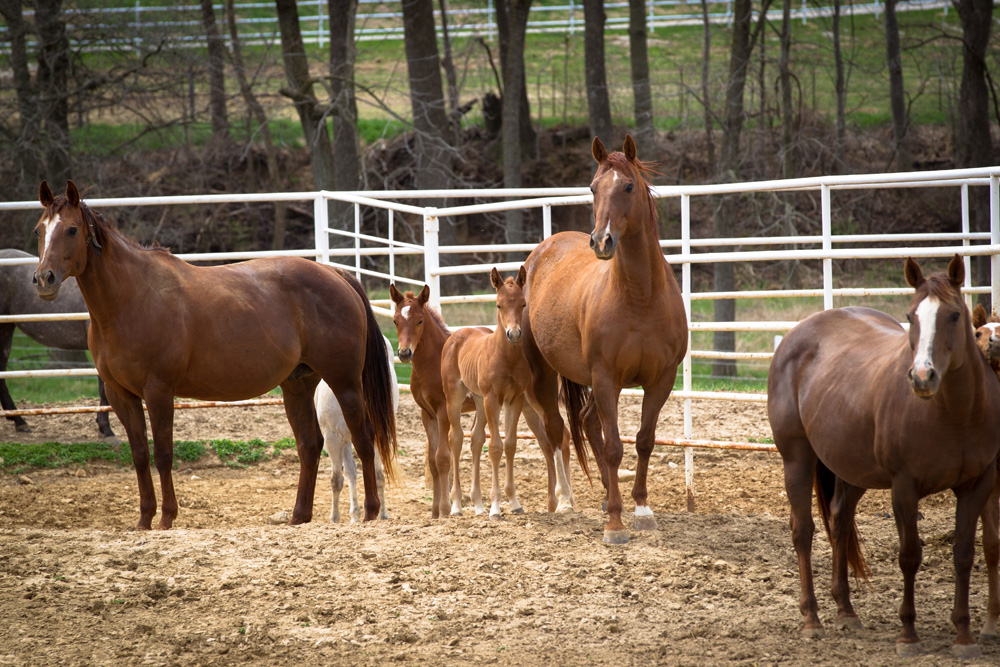
Broodmare Nutrition During Late Gestation

With a rapidly growing unborn foal, the transition time from mid- to late gestation can pose nutritional challenges for pregnant mares.   Shoreview, Minn. [February 27, 2017] – Up to 60 percent of an unborn foal’s growth happens during the last three months of pregnancy. As such, late gestation can … Read More

Want practical, safety‑focused horse care guidance like this?

Get it by Email

Eating! An Important Key to Improving Insulin Resistance

Colic

By Juliet M. Getty, Ph.D.   Do you have an overweight horse?  Chances are he is insulin resistant. Excess body fat leads to elevated insulin. Elevated insulin leads to more body fat storage, which leads to greater insulin resistance, and the vicious cycle continues. Even horses of normal weight can … Read More

Want practical, safety‑focused horse care guidance like this?

Get it by Email

Hoof Care is Important All Year Long

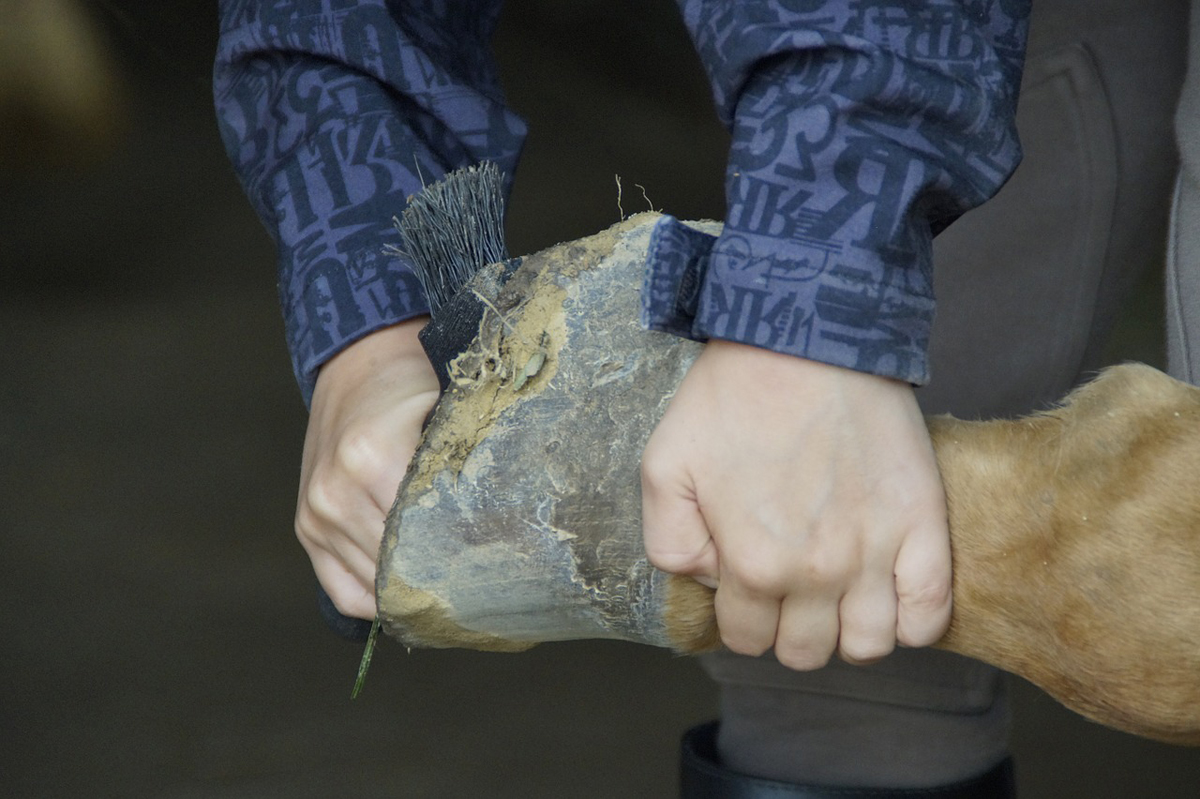
SmartPak offers advice and solutions to help your horse battle winter hoof woes   PLYMOUTH, MA – February 7, 2017 – As the saying goes, “no hoof, no horse.” Hooves are to horses as foundations are to houses – they’re the base everything else is built on. And just like … Read More

Want practical, safety‑focused horse care guidance like this?

Get it by Email

Use Your Stethoscope Before You Need It!

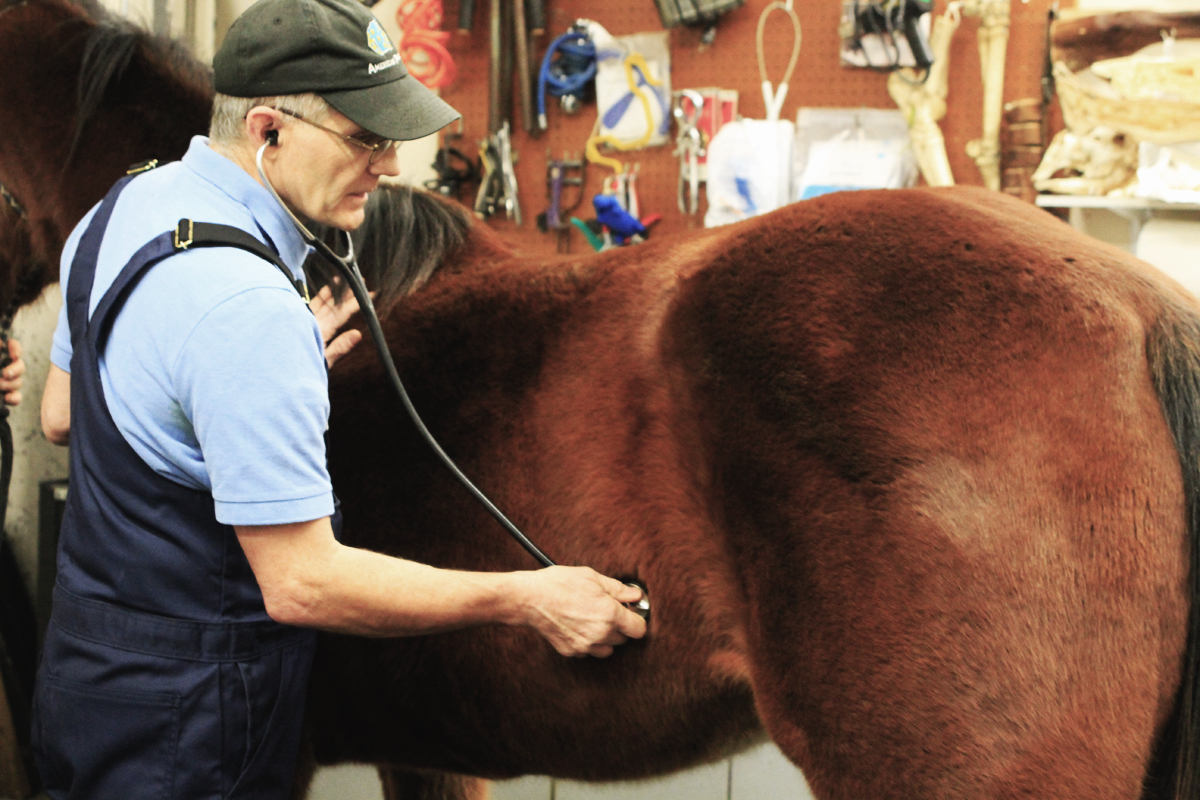
By Dr. Juliet M. Getty   Your emergency kit likely includes a stethoscope – a highly valuable piece of equipment during any urgent health situation. Knowing your horse’s normal heart rate and gut sounds beforehand will allow you to better assess the seriousness of the situation — so use your stethoscope now. A … Read More

Want practical, safety‑focused horse care guidance like this?

Get it by Email

Winter Woes – Dangers of Ammonia

By Jennifer Roberts   Its true, the smell of ammonia may be stronger in the summer months, with the sun beating down on urine and heating up wet spots in stalls. However, that doesn’t mean that ammonia is gone in the winter. In fact, ammonia is just as dangerous in … Read More

Want practical, safety‑focused horse care guidance like this?

Get it by Email

Treating Wounds

February 2017

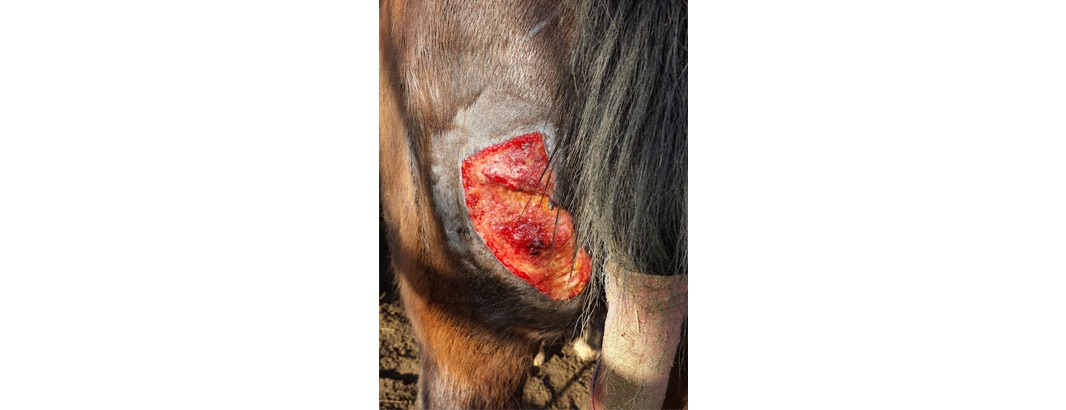
First Do No Harm by Dave Sauter, DVM   Diligent horse owners can help prevent serious injuries and wounds in their horses. Proper fencing, building maintenance, and being attentive to potentially dangerous objects is an essential part of horsemanship. Despite our best efforts, wounds still happen. Wound treatment knowledge and … Read More

Want practical, safety‑focused horse care guidance like this?

Get it by Email

generac-home-standby-generator-banners
💬