

Most of us spend a lot of time thinking about our horses’ daily needs — feed, fencing, turnout, shelter, and footing. But how often do we stop and think about whether a veterinarian, trailer, tractor, or emergency crew could easily reach a horse in trouble?
It’s one of those things that’s easy to overlook until an emergency happens.
The reality is that when a horse is injured, colicking, or unable to get up, every minute matters. A well-designed property can help emergency responders get to work quickly, while a poorly planned layout can create delays when you least want them.
A dear friend of mine is a mobile veterinarian. A mobile veterinarian is one without a traditional office who instead works out of her truck. During a conversation last week, she expressed frustration with the number of barns and properties she calls on that make her job difficult. This is due to poor conditions of the pastures or the general layout of the buildings and fences on the property.
Examples of those difficulties include things like an inability to get her truck into certain areas, transporting her tools down long, muddy paths or through dark hallways, broken doors to stalls that lack proper lighting, and many other situations. These difficulties become especially concerning when a horse is in pain and relieving that pain is slowed by the conditions.
Obviously, we don’t want our equine partners to suffer needlessly. Fortunately, there are some things we can do to alleviate obstacles for our veterinarians and other emergency personnel.
Walk Your Property
The first and most vital thing you can do is get a notebook and pencil and walk your property. Imagine yourself as your veterinarian trying to get to any place a horse might be on your establishment. Imagine your horse is down in various places, especially those that look difficult to access. Take notes about these things. You don’t have to find solutions at this stage—just take notes of what you observe.
Make a Map
Make a map of your property that can be given to emergency personnel when they arrive. This can be a vital tool especially when you have lots of acreage with various roads and such. Use aerial photos when possible. Laminate this map so it’s weather-resistant for use in severe weather. During an emergency, when emotions are high, verbal instructions can be miscommunicated. As they say, a picture is worth a thousand words.
Clearance for Trucks and Equipment
Even if you don’t have a mobile veterinarian there may be a time when you will have to use a tractor or your own truck to get to your horse if they go down. As you walk your property ask yourself if your truck, trailer, or tractor can get through gates, around buildings, and into aisle ways. If yes, then so can your veterinarian.
If you have a larger barn, such as a boarding facility, reach out to your local fire department and ask if they can send someone out to walk around your barn and advise you on access if they need to fight a fire. Most fire departments are more than happy to do this and help you develop an emergency plan.
Put It Together in a Plan
There are many other things to consider when it comes to being prepared for emergencies on your property and making sure emergency personnel (especially your veterinarian) have the access they need to work efficiently when needed.
- Good lighting in stalls and hallways
- Mud-free heavy-use areas to ease movement
- Healthy pastures that a truck can drive through without getting stuck
Consider enlisting the help of someone who has experience in these areas. You can find these folks by attending workshops in your area. Or find a well-designed and efficient equine facility and ask the owner or manager for their recommendations.
One of the best free resources out there is your local conservation district which has farm planners to help you create your own resource management or farm plan. A good farm plan will take into account all the needs and requirements for access and good land management. Having a well-designed plan is one of the most essential tools you can have, especially in an emergency.
Having good access, good lighting, a well-laid out property, and an emergency plan will make life easier for your veterinarian and also makes life easier for you and your horse. Confidence in a well thought out plan for emergencies can give you peace of mind. Don’t wait – start today.
Originally published at https://nwhorsesource.com/is-your-horse-property-ready-for-an-emergency/
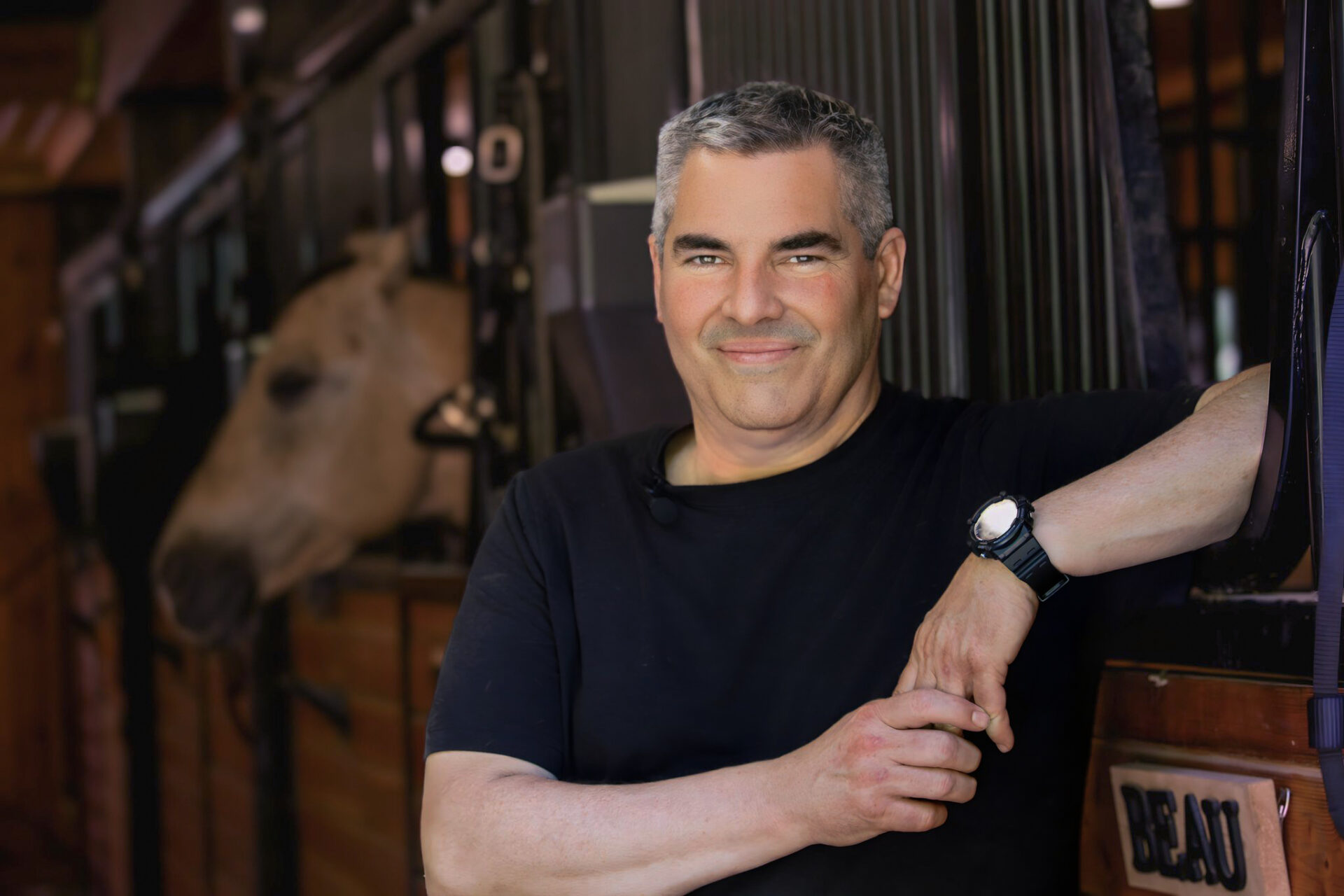
Michael is a lifelong student of the horse, from his childhood in Texas ranch country to his work with conservation districts all over Washington State protecting natural resources while also improving the lives of horses and their human companions. Hipp Equine Consulting serves horse owners across the country as well as conducting workshops at local stables on property management, horse behavior, chore management, and many other practical topics.
[email protected]
(425)-314-9980
