



Shorter days, wetter ground and the switch from pasture to hay all ask something of your horse. Here’s how to stay ahead of the changes, from the gut to the hooves.
Disclosure: This article contains affiliate links. Northwest Horse Source may earn a commission on purchases made through these links, at no extra cost to you.
In the Northwest, fall doesn’t arrive gently. One week your horse is grazing dry summer pasture, and the next the rain is back, the paddocks are turning to mud and the hay is coming down from the loft. For horses, that kind of rapid change is where most seasonal problems start.
Fall is a transition season in nearly every way that matters. Feed, footing, workload, temperature and daylight all shift at once. Each change on its own is manageable, but stacked together they can show up as a horse that’s a little off: girthy, stiff, picking at feed or pulling a shoe in the mud.
The good news is that most fall issues are predictable, which means you can plan for them. Here’s a system-by-system look at what changes this time of year and how to build a routine that carries your horse comfortably into winter.
Start With a Plan for Parasites
Fall is one of the two natural checkpoints in a parasite-management year, with spring being the other. As grazing season winds down, it’s a good time to take stock of what your horse picked up over the summer and set them up for a cleaner winter.
Start with a fecal egg count. Many vets now recommend testing before deworming rather than rotating products on a fixed schedule, since overuse of chemical dewormers has contributed to widespread parasite resistance. A count tells you whether your horse is a low, moderate or high shedder, so you and your vet can decide what they actually need. Tapeworms and encysted small strongyles don’t show reliably on a standard count, so ask your vet about fall timing for those.
Signs your horse may be carrying more than you’d like include a dull coat, tail rubbing, a pot-bellied look or trouble holding weight on good feed.
Day-to-day management matters as much as anything you feed. Picking up manure in paddocks and small pastures at least twice a week and feeding hay off the ground both cut down on reinfection. If you harrow, wait for a hot, dry stretch, because harrowing in cool, wet weather spreads eggs and larvae that survive well in damp ground. Rotating pastures where you can helps, too.
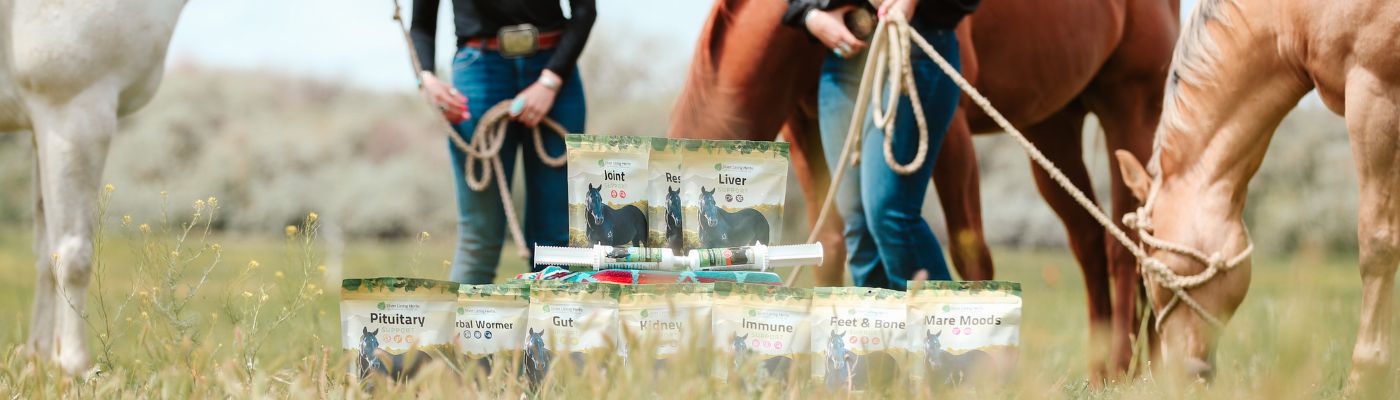
For owners who like a plant-based approach between vet checks, Silver Lining Herbs’ Herbal Wormer for Horses is a 10-day herbal program designed to support a healthy digestive environment. The company also publishes a free 2026 deworming calendar that maps out timing for its fall and spring programs. Whatever route you take, keep your vet in the loop and follow up with egg counts to see how your horse is doing. Herbal digestive-support products do not replace a veterinarian-directed parasite-control program, including appropriate testing and deworming.
Ease the Gut Through the Feed Switch
Diet changes are one of the most common triggers of digestive upset in horses, and fall brings several at once. Pasture shrinks or disappears, hay takes over and many horses spend more time in stalls or dry lots.
The most important rule is to make hay changes gradually. Whether you’re moving from pasture to hay or opening a new batch, mixing old and new over 7 to 14 days gives the hindgut microbes time to adjust. Keep an eye on the fall grass, too. Sunny days followed by cold nights can push up sugar levels in pasture, a real concern for easy keepers and metabolic horses, so limit grazing on frosty mornings if your horse is sensitive.
Water matters just as much. Horses often drink less as temperatures drop, and less water plus more dry hay raises the risk of impaction colic. Keep water clean and ice-free, offer loose salt and consider soaking feed for slow drinkers. And remember that girthiness, picking at feed, loose manure or a horse who’s suddenly cranky under saddle can all point back to the gut.
For added support during the switch, Gut Support for Horses is an herbal blend formulated to help maintain a healthy GI tract, and Horse Probiotics support beneficial gut bacteria through stress, travel and diet change. Both fit easily into a daily feeding routine. If you ever see signs of colic, call your vet right away.
Protect Hooves From the Mud
If one fall challenge feels uniquely Northwest, it’s mud. Constant moisture softens the hoof wall and sole, and hooves that cycle between wet and dry tend to lose shape and hold nails poorly, which means more lost shoes. Wet ground and damp bedding also give bacteria the conditions they love, which is why thrush and abscesses spike this time of year.
The most helpful thing you can do is give your horse a dry place to stand, even a small pad of gravel, hog fuel or a well-bedded stall, so hooves get a chance to dry out each day. (For help choosing and planning footing, see Alayne Blickle’s Better Footing, Less Mud: Preparing for Winter.) Pick feet daily and watch for the black, foul-smelling discharge that signals thrush. And resist the urge to stretch farrier visits in the off-season, since overgrown hooves crack and flare more easily in wet conditions.
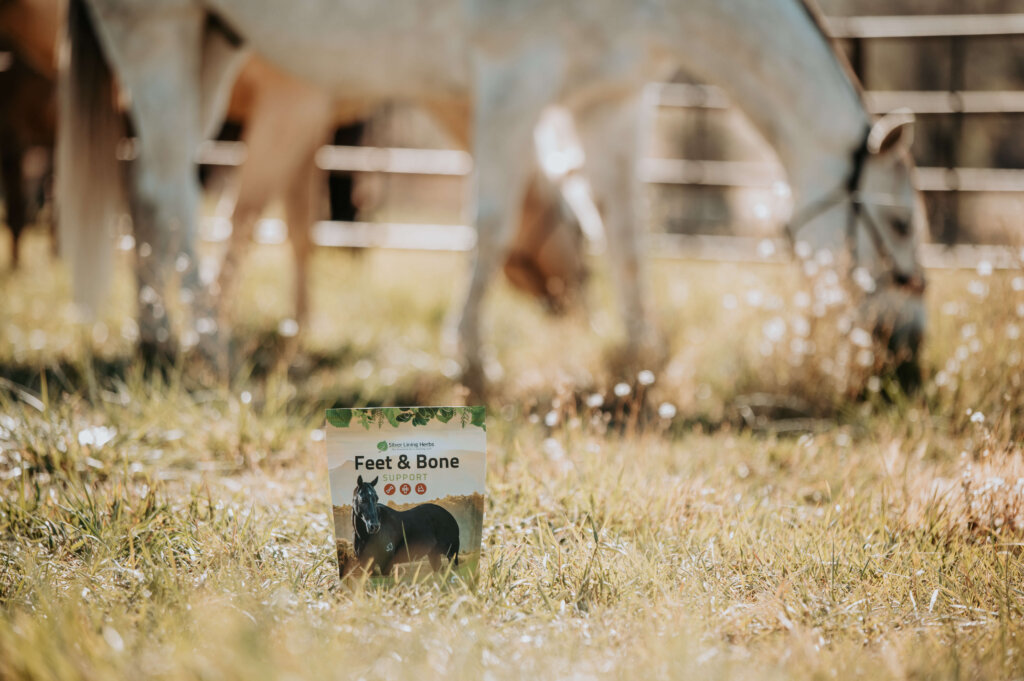
Hoof quality is built over months, not weeks. New hoof wall takes roughly a year to grow from the coronet band to the ground, so what you feed this fall shows up in next year’s feet. Feet & Bone Support for Horses is an herbal formula designed to support hoof and bone health from the inside out, working alongside a balanced diet and good farriery.
Keep Joints Moving as Temperatures Drop
Ask anyone with a senior horse: cold, damp mornings tend to bring more stiffness. Horses also move less in stalls and small paddocks than on summer pasture, and less movement usually means stiffer joints.
Steady, low-level movement is one of the best things you can do for joints, so keep turnout going as much as weather and footing allow. On cold days, give your horse 10 to 15 minutes of walking before asking for real work. Seniors and clipped horses often stay looser when they stay warm, so blanket thoughtfully without overheating. Watch the footing as well, since slick mud and frozen ruts are hard on joints and soft tissue.
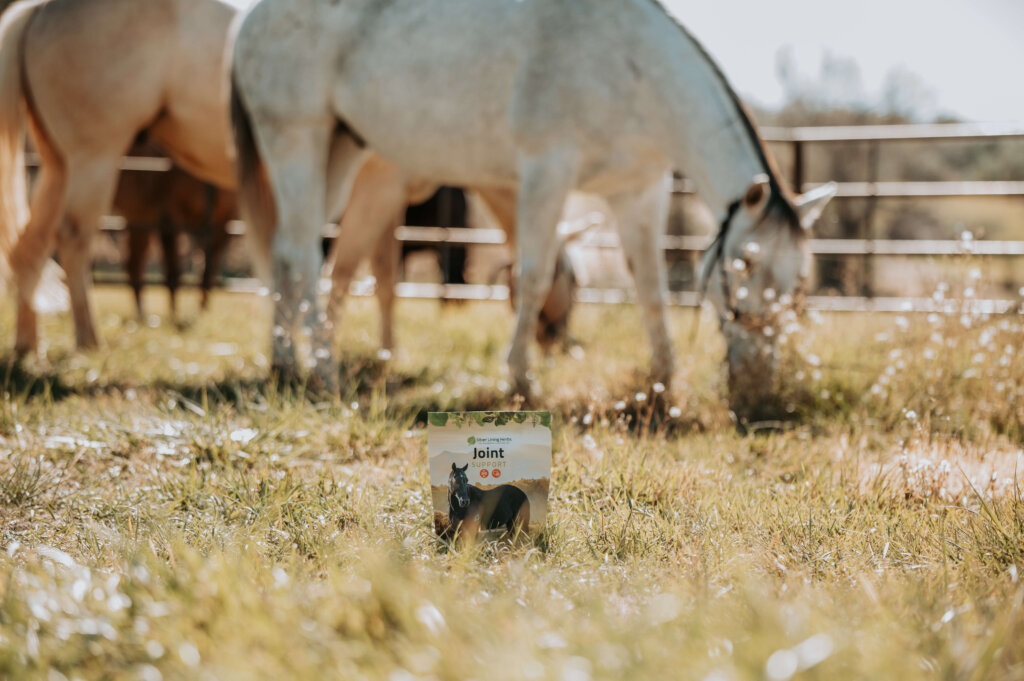
Silver Lining Herbs Joint Support. Photo courtesy of Silver Lining Herbs.
For performance horses heading into fall shows or a winter of arena work, and for seniors who need a little extra help, Joint Support for Horses is an herbal formula designed to support healthy joints and comfortable movement. As with any new supplement, check with your vet first, especially if your horse already receives joint medications or injections.
Your Fall Horse Care Checklist
Schedule a fecal egg count and talk with your vet about a fall parasite plan
Transition to hay over 7 to 14 days
Check waterers and plan for tank heaters or heated buckets
Set up a dry standing area and stock up on footing
Book your next farrier visit before the schedule fills
Open barn vents and soak or steam dusty hay to keep airways happy
Check blankets for fit and needed repairs
Reassess body condition and adjust feed as workload changes
Review your supplement routine for the season ahead
Fall care isn’t about doing everything at once. It’s about noticing what’s changing and getting a step ahead of it. A horse who heads into winter with a healthy gut, solid feet and comfortable joints is set up for an easier season and a stronger spring.
If you’re rounding out your horse’s fall routine, Silver Lining Herbs, a family-owned company with more than 25 years in herbal wellness, offers formulas targeted to individual body systems, from digestion to hooves to joints. Browse their full line of horse supplements or take the free horse health quiz on their site to find a starting point. Every horse is different, so bring your vet into the conversation as you build your plan.
Veterinary & Equine Nutrition References
1. American Association of Equine Practitioners (AAEP). Internal Parasite Control Guidelines. https://aaep.org/guidelines-resources/internal-parasite-control-guidelines/
2. Penn State Extension. Sugars in Spring and Fall Pastures. https://extension.psu.edu/sugars-in-spring-and-fall-pastures
3. University of Minnesota Extension. Caring for Your Horse’s Hooves. https://extension.umn.edu/horse/caring-your-horses-hooves
4. Extension Horses. Winter Care for Horses. https://horses.extension.org/winter-care-for-horses/\

Daniel is an outdoors and pet-focused writer based in Colorado. By day, he works in marketing and PR, connecting brands with the writers, creators, and publications who bring their stories to life. That work has given him an eye for what makes people stop and pay attention.
