

If you spend enough time around barns, you’ll hear a lot of opinions about hay. Horses can’t eat alfalfa. Round bales are dangerous. First cutting is always better. Most of us have probably repeated at least one of those ourselves at some point.
The truth is, choosing forage for horses usually isn’t as black and white as people make it sound. Good-quality hay comes in many forms, and what works well for one horse may not be right for another.
Not All Forage “Rules” Hold Up
Horse people are passionate about feed, and honestly, that’s understandable. Nutrition affects everything from weight and energy to digestive health and performance.
But over time, some feeding opinions start sounding more like hard rules than practical guidelines.
One of the biggest misconceptions is that certain forage types are automatically “bad” for horses.
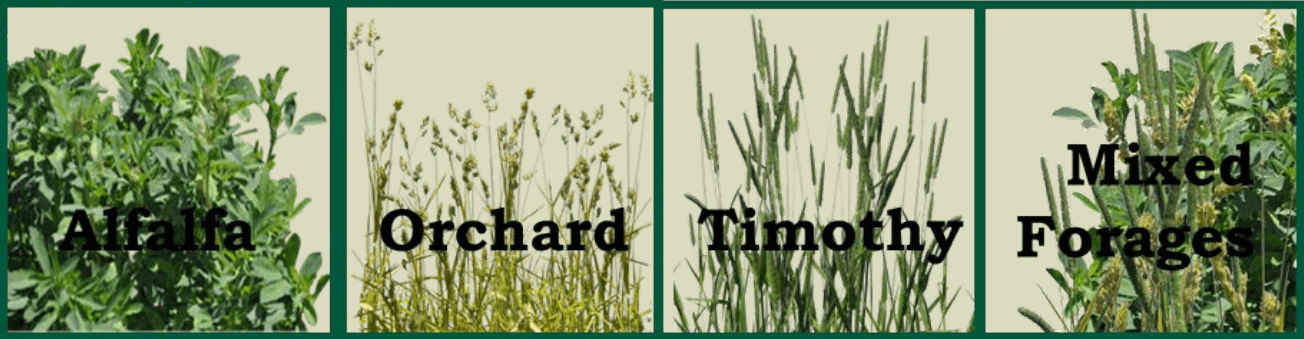
In reality, many horses do perfectly well on a variety of forages — including alfalfa, orchard grass, bermuda grass, timothy, and mixed hays — provided the forage is harvested and stored correctly.
Unless a horse has a specific medical condition or sensitivity, the quality of the forage often matters more than the label attached to it.
First Cutting vs. Third Cutting
This debate comes up constantly in horse circles.
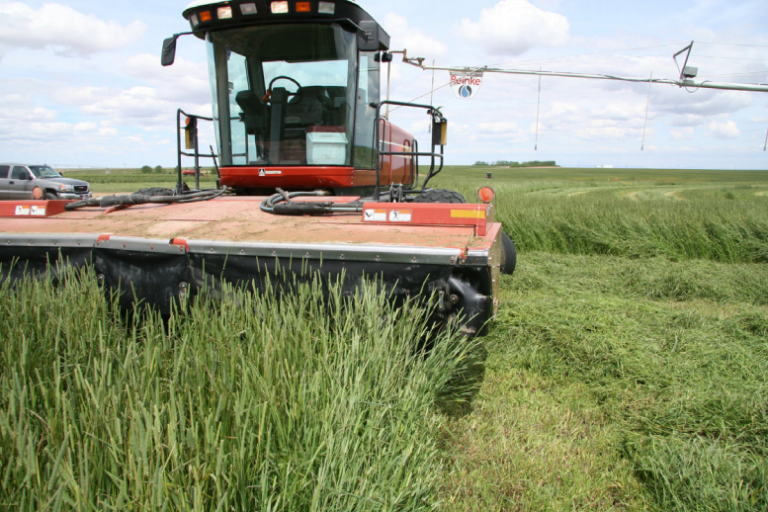
Some owners swear by first cutting hay, while others insist later cuttings are always softer or better quality. But according to equine nutrition experts, the real issue is maturity at harvest — not necessarily which cutting number it is.
As forage plants mature and grow taller, they naturally become more fibrous and less digestible. Weather delays can also affect quality if hay sits too long before harvest.
That means a well-managed first cutting may actually be better than a delayed later cutting, depending on growing conditions.
Horses Will Eat Things They Shouldn’t
I think most of us want to believe horses are smarter than they actually are sometimes.
Unfortunately, horses absolutely will eat dusty or moldy hay if given the chance. They may also accidentally consume foreign material hidden in forage.
That’s why carefully checking hay before feeding matters so much — not just when purchasing it, but throughout storage and feeding as well.
Even good hay can become damaged if stored improperly.
Round Bales Aren’t Automatically Bad
Round bales tend to spark strong opinions.
The reality is that the bale shape itself isn’t necessarily the problem. Moisture and storage conditions are usually the bigger concern. Hay baled too wet or left exposed to weather can mold regardless of whether it’s round or square.
Properly harvested and properly stored forage can work well in many different forms.
Like most horse care topics, management matters more than assumptions.

What About Pellets and Cubes?
Processed forage products sometimes make horse owners nervous, especially when it comes to choking concerns.
But horses can safely eat pellets, cubes, and chopped forage products when introduced properly and fed appropriately.
The key is monitoring intake and making feed changes gradually.
Honestly, that advice applies to almost every feeding change we make with horses.
Every Horse Is Different
One thing this conversation always comes back to is individuality.
Some horses maintain weight easily on grass hay. Others need more calories or protein. Horses with metabolic conditions may require careful sugar management regardless of forage type.
That’s why blanket statements about “good” and “bad” hay can get misleading pretty quickly.
At the end of the day, the best forage choice is usually the one that fits the specific horse standing in front of you — not necessarily the loudest opinion at the barn.
WWW.STANDLEEFORAGE.COM
800-398-0819
Originally published at https://nwhorsesource.com/misconceptions-in-selecting-forage-for-horses/
News from the horse industry. Sharing today’s information as it happens. The Northwest Horse Source is not responsible for the content of 3rd party submissions.
