


The days are getting shorter, and before long, the sun will be setting while we’re still trying to finish the evening chores. For horse owners who work during the day, those dark winter evenings can turn simple jobs like feeding, cleaning paddocks, or checking a horse into a frustrating—and sometimes unsafe—chore.
Fall is the perfect time to look around the property and ask: Do I have enough light where I actually need it? Are the paddocks, barn aisles, wash areas, pathways, and parking spaces easy to navigate after dark? And could better lighting make everyday winter chores safer and a whole lot easier?
Alayne Blickle of Horses for Clean Water shares practical lighting ideas as part of her fall winterization checklist. From paddock floodlights and well-lit grooming areas to electrical access for water heaters and even a little help for after-work exercise, these simple improvements can make a big difference when the dark, wet months arrive.
Even though summer is just barely in the rearview mirror, fall is the time of the year for winterizing horse properties. Chore efficiency is always my mantra, and this is especially true when prepping for the cold, rainy, snowy, windy, and dark months ahead. Setting things up so the barn and horses are easy to manage with a minimum amount of hassle means chores are more likely to get accomplished, the place stays nicer looking, and you and the horses are happier.
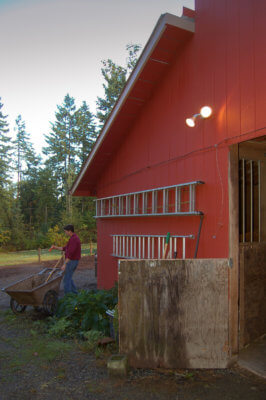
Speaking of dark months, having good lighting in and around your barn is paramount to chore efficiency.
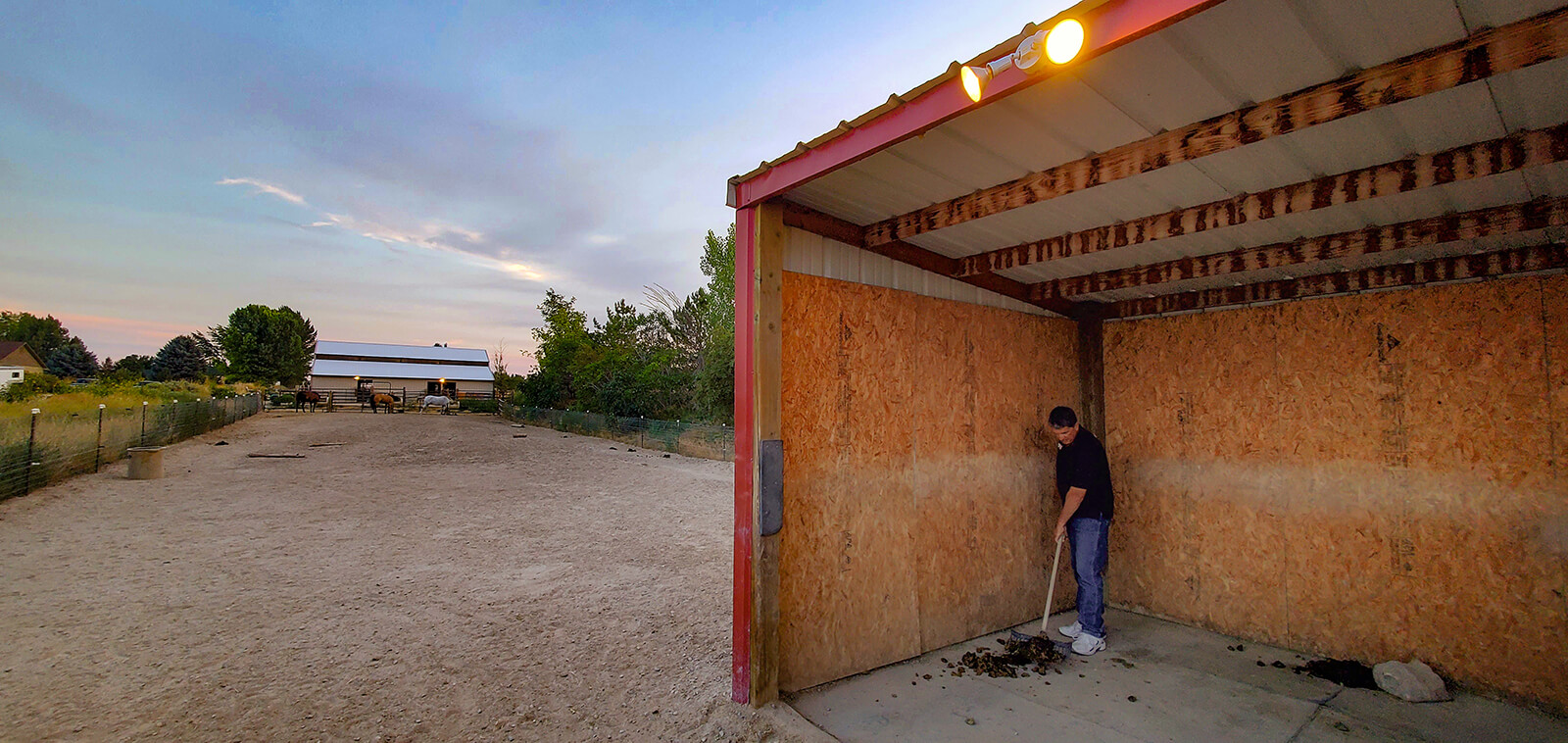
Paddock lighting is a definite must-have for those with outdoor confinement areas and 9 to 5 jobs. Heading out to the barn after work to fumble around in dark paddocks trying to clean or do other chores is no fun! And manure accumulation in a pen leads to mud and more management issues down the road. Avoid all that by having lighting in your paddocks so you can get things picked up with a minimum amount of trouble.
Having good lighting in an indoor grooming/wash stall is also a necessity. Have two lights (both with ballasts to withstand colder temps) in the wash rack so that there will be light on both sides of the horse. One single light directly above will create a dark shadow underneath the horse. This way it will be much brighter for wintertime shoeing, grooming, bathing, or all-important vet work.
Also, for your indoor wash rack/grooming stall, you may want to consider an infrared heater directly above the horse. Infrared heaters are a great way to dry off a winter-time sweaty horse. This is especially important if you are riding after work and trying to dry out a wet horse in a cold winter climate. Put a 30-minute timer on it so you don’t walk away and forget to turn off the energy-guzzling heater.
Here are some additional lighting questions for you to consider while you winterize your horse property:
- Do you have adequate outdoor lighting along pathways for chores?
- Do you have plug access for stock tank water heaters – with circuit breakers in case they get wet?
- Are your stalls bright enough to care for your horses during dark fall and winter evenings?
- When you’re feeding at night will you have enough light to see if the hay you’re feeding is green—or moldy?
- Would you be better able to do your manure pick-up chores in paddocks if you had flood lighting?
- Have you been meaning to put in lighting along driveways or parking areas?
- Do you have a lighted area for exercising your horses? If you (like many of us) can’t afford a big outdoor lighted arena, perhaps a mercury-vapor light installed over an exercise area might be enough to at least lunge a horse, keeping it (and you!) sane during the work week.
Don’t wait for freezing temperatures when you’re feeding by flashlight to make this happen. Right now you have plenty of time to get that electrician in and make changes. You and your horses will be happy you did!
Editor’s Note: This article was originally published in our archives. Some dates, events, organizations, products, links, or contact information referenced in the original article may no longer be current. The article is being shared for its educational content.
Originally published at https://nwhorsesource.com/september-to-do-list-set-up-good-lighting-its-time-to-prepare-for-the-dark-winter/
See this article in the September 2021 online edition:
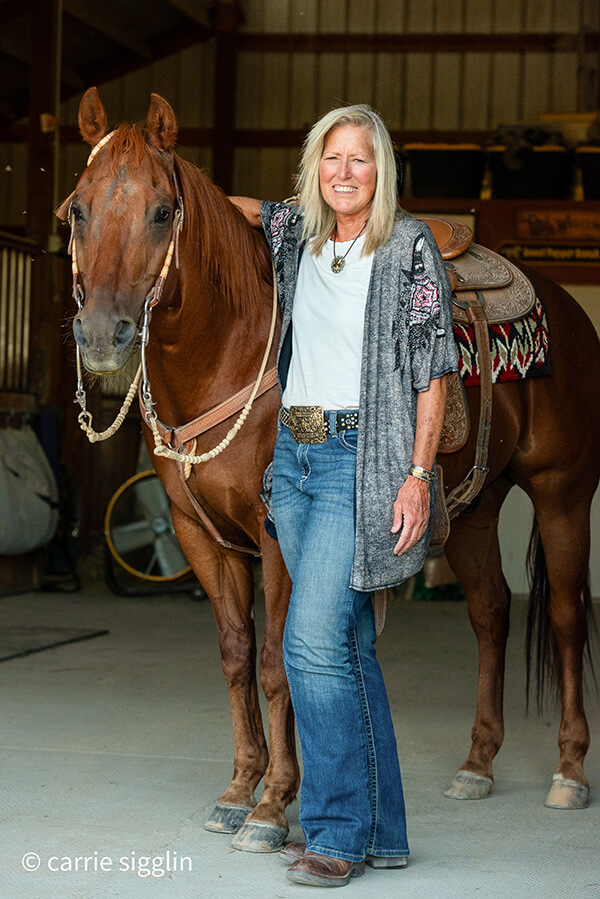
Alayne Blickle began in the 1990’s as a pioneer in water conservation and natural resources conservation by creating the entrepreneurial consulting business, Horses for Clean Water, an award-winning internationally acclaimed education program that looks for horse-healthy, nature-based solutions to land management challenges. She continues this work today partnering with agencies, organizations, and horse owners throughout North America and worldwide. She is a regularly contributing writer and photojournalist to several equine publications.
Alayne lives with her horse trainer husband, Matt Livengood, in southwestern Idaho where they raise and train AQHA horses and mustangs on their eco-friendly horse ranch. Contact her through the Horses for Clean Water website or through their ranch website Sweet Pepper Ranch.
For more information contact Alayne at [email protected] or 206-909-0225.
