


A Conversation with Taryl O’Shea, CEO of the Arabian Horse Association
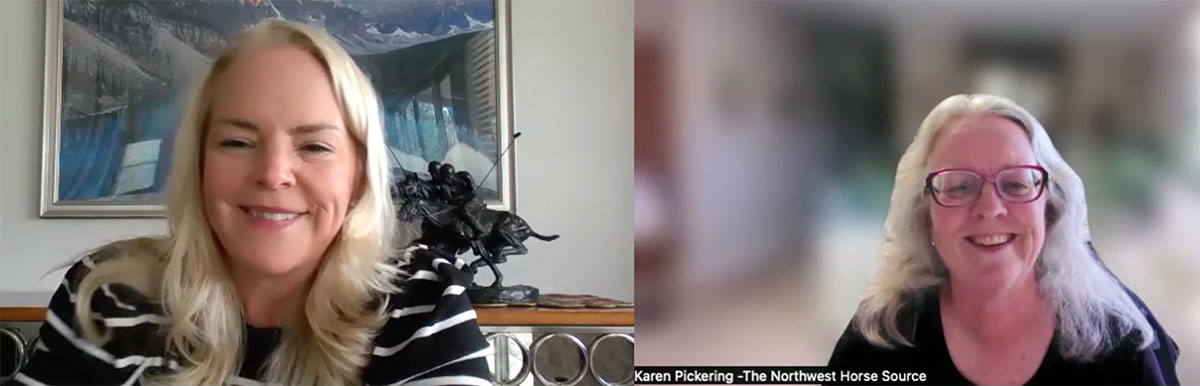
I recently had the opportunity to sit down with Taryl O’Shea, CEO of the Arabian Horse Association, for a thoughtful conversation about the future of the Arabian horse industry, opportunities for growth, and what it all means for horse owners and enthusiasts.
What stood out to me most was Taryl’s genuine passion for the Arabian horse and her vision for building a stronger, more connected community around the breed. While honoring the rich heritage of the Arabian horse, she is also focused on modernizing the message and making horses more accessible to people of all ages and backgrounds.
In our conversation, we discussed:
- The future of Arabian horse competition
- Opportunities for growth and visibility
- Challenges facing horse ownership today
- The importance of community and accessibility
- New ways to introduce people to the Arabian horse
A Lifelong Connection to the Arabian Horse
Taryl’s story with Arabian horses began early. After asking her parents daily for a horse beginning at age three, she finally received her first Arabian horse at 12 years old.
“My first horse was an Arabian that played polo,” she shared with a smile. “I just love Arabian horses. I started with them, got brought back to them, and will be a lifelong Arabian horse owner.”
Later, after moving from Canada to Arizona, she happened upon the Scottsdale Arabian Horse Show by chance. That experience led to volunteering, serving on committees, and ultimately running the organization for 25 years.
That lifelong connection gives her a unique perspective as she steps into leadership at a pivotal time for the industry.
Modernizing the Message Without Losing Tradition
One of the biggest themes of our discussion centered around balancing tradition with modernization.
“No breed has the history that the Arabian horse does,” Taryl explained. “We need to respect that history, but we also need to modernize how we communicate about the horse.”
She emphasized that Arabian horses are far more than elite competition horses. They are versatile family horses capable of trail riding, dressage, cattle work, endurance, and recreational riding.
“The Arabian horse isn’t just a horse that competes at high levels,” she said. “It’s a horse you can trail ride on Saturday and go to your local show on Sunday.”
Taryl also spoke passionately about the historic human bond associated with the breed, tracing back to the Bedouin culture where Arabian horses lived closely alongside families in the desert.
“That human attachment is part of what makes the Arabian horse so special,” she explained.
Making Horses More Accessible
Like many sectors of the horse industry, the Arabian horse community faces challenges related to rising costs, accessibility, and changing lifestyles.
“Horses make your life better,” Taryl said. “Not only for mental health reasons, but it’s just a great lifestyle.”
She acknowledged the reality many families face today, from the cost of fuel and travel to the overall expense of horse ownership. However, rather than focusing on limitations, the association is exploring creative solutions designed to lower barriers and encourage participation.
Some of the ideas being explored include:
- Franchised lesson programs supported by AHA across the country
- Fractional ownership and lease opportunities
- Grassroots riding programs focused on horsemanship and care
- Programs involving older horses as companions and wellness partners
- Expanded educational outreach and farm visitation opportunities
“I think we need to bring it back to the grassroots level,” she said. “Make it about learning to care for and enjoy horses—not always about heading to the horse shows.”
One story she shared particularly resonated with me. A neighboring family regularly walked their older Arabian horse through the community for companionship and exercise.
“They weren’t walking their dog,” she laughed. “They were walking their horse.”
That simple image perfectly reflected her broader vision: horses becoming part of everyday life again.
Building Community Through the Arabian Horse
When asked what success would look like in the coming years, Taryl’s answer wasn’t focused solely on numbers or competition.
“Success for me would be bringing the Arabian horse community together,” she explained.
Because the breed participates across so many disciplines, the community can sometimes become fragmented. Her hope is to create stronger unity while introducing more people to the breed through fresh marketing campaigns and outreach efforts.
“There’s a lot of opportunity,” she said. “The horse community needs to work together. It’s definitely not an us-against-them situation.”
That collaborative mindset extends beyond the Arabian breed itself. Taryl emphasized that the entire horse industry can learn from one another and benefit from greater cooperation and visibility.
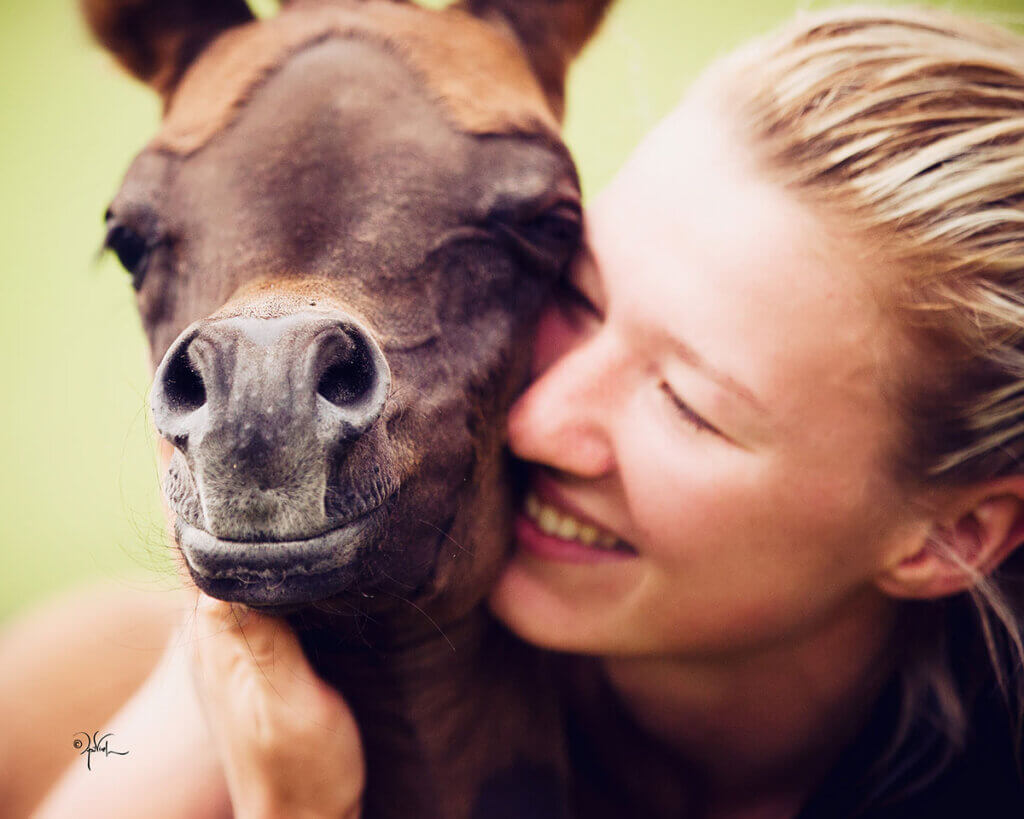
Photo by April Visel
Reimagining Visibility and Spectator Interest
Another major focus of our discussion involved the challenge of attracting spectators and engaging broader audiences.
Taryl believes part of the solution lies in storytelling, visibility, and helping people reconnect with the lifestyle horses represent.
Shows like Yellowstone and Heartland have helped spark renewed interest in horses and western living, exposing more people to the emotional and lifestyle benefits of horse ownership.
“It’s my job with AHA to modernize the message we’re putting out there,” she said.
The association is also exploring ways to:
- Increase public engagement
- Help people meet horses in person
- Connect owners through DNA identification initiatives
- Provide trusted educational resources
- Encourage farms and trainers to think beyond traditional competition models
“There’s a whole different world out there than just training people to go to horse shows,” she explained.
The Legacy and Future of the Arabian Horse
The Arabian horse has influenced countless other breeds throughout history and remains known for its intelligence, endurance, beauty, and extraordinary connection with humans.
As Taryl looks toward the future, her focus is clear: preserve the legacy while opening new doors for participation and engagement.
“I think we’re set for change,” she said. “And I can feel the momentum building.”
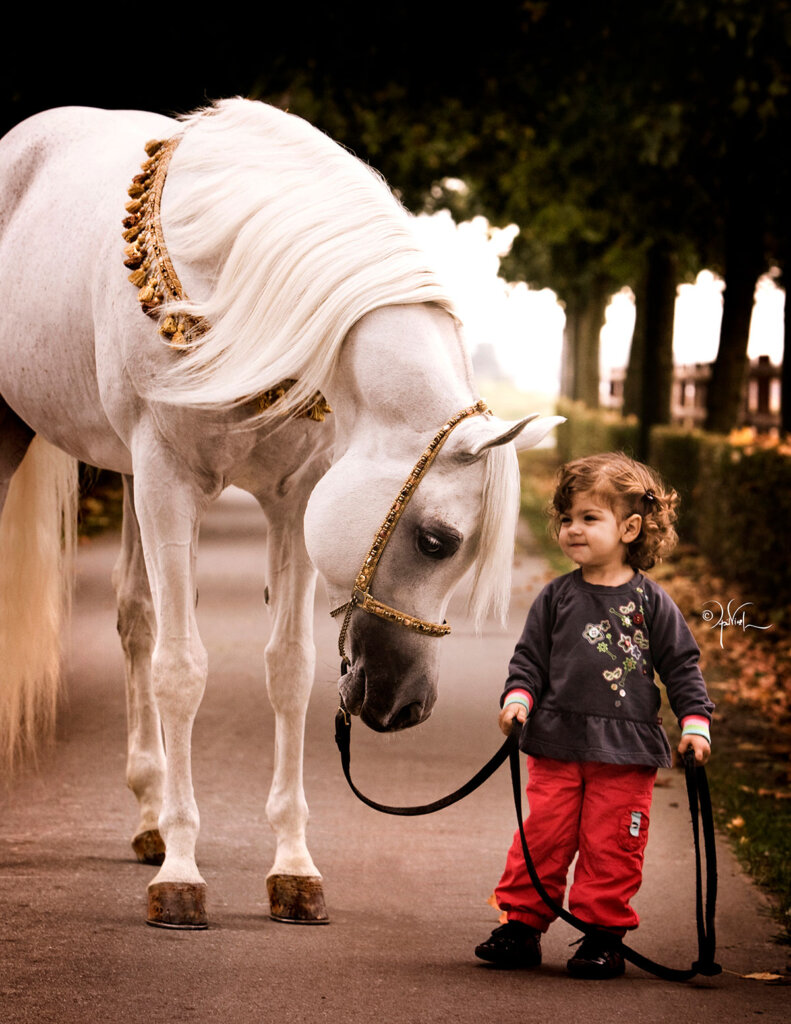
An Invitation to Experience Horses Again
Taryl encourages anyone interested in learning more about Arabian horses to visit a local farm and experience the breed firsthand.
“Just go meet a horse,” she said. “They’re amazing animals.”
The Arabian Horse Association maintains a directory of farms where people can connect with Arabian horses and learn more about the breed.
“There’s peace that comes from being around animals and being outside,” she added. “A lot of people just don’t get the opportunity anymore.”
Looking Ahead
As the Arabian Horse Association continues to evolve, its leadership is focused on:
- Modernizing outreach and marketing
- Creating more accessible entry points into horse ownership
- Supporting grassroots programs
- Reuniting and strengthening the community
- Encouraging participation beyond elite competition
From my perspective, what Taryl brings to this role is exactly what the industry needs right now: respect for tradition combined with a willingness to think differently about the future.
Most importantly, she brings genuine enthusiasm for horses and the people who love them.
To learn more, visit:
Arabian Horse Association
To watch the interview:
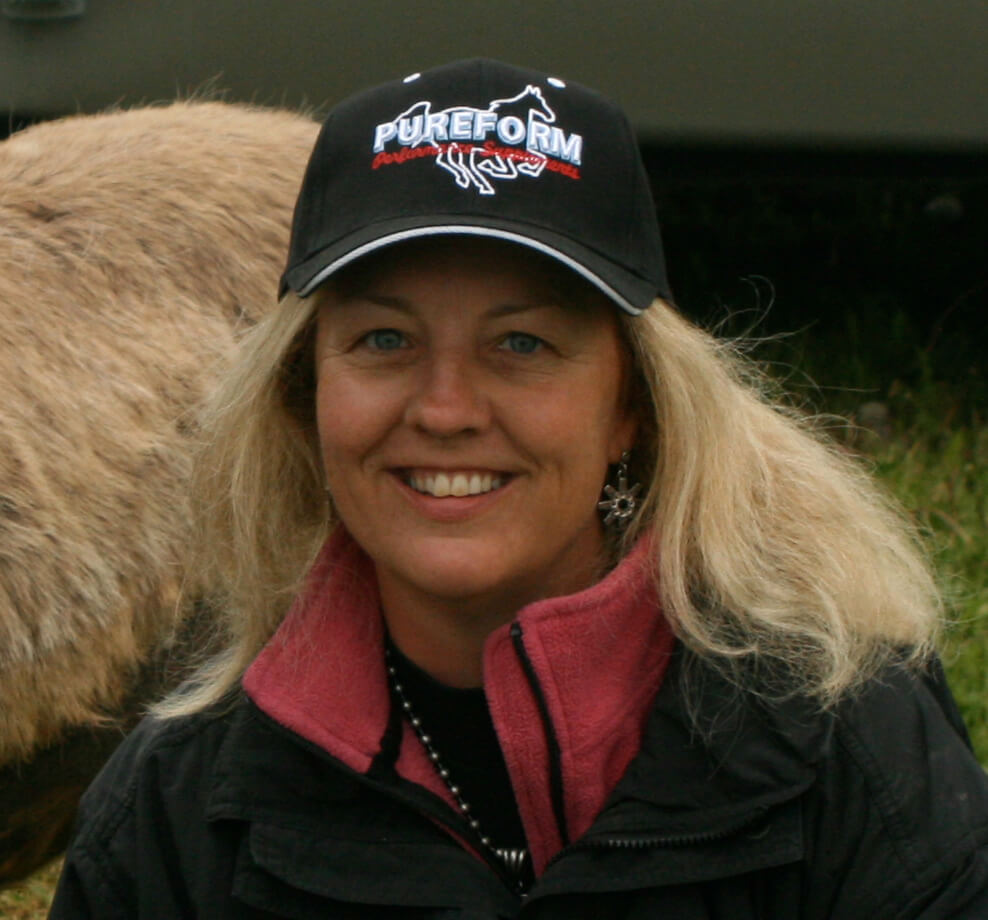
Owner / Publisher | Canfield Certified Trainer
Karen Pickering is a lifelong horsewoman and the founder of The Northwest Horse Source, which began in 1995 as a small equine newsletter and grew into a respected industry publication. With more than 30 years of experience serving the horse community, Karen now focuses on helping equine businesses and organizations build visibility, credibility, and lasting relationships through online marketing, digital promotion, and educational platforms.
As a Canfield Certified Trainer, she blends proven success principles with real-world industry experience, supporting both businesses and individuals navigating change in today’s digital landscape. Karen remains deeply connected to the horse industry and is passionate about serving the community she has helped build for over three decades.
