



Most of us spend a lot of time thinking about our horses before a trip. We check feed, water, tack, health papers, and weather forecasts. But how often do we really think about the trailer?
I’ll admit there have been times when I hooked up the trailer assuming everything was fine simply because it looked fine. Fortunately, I’ve never experienced a major breakdown on the road, but I’ve known plenty of horse owners who have. Usually, the problem wasn’t bad luck. It was something small that went unnoticed until it became a big problem.
One thing experienced trailer professionals often agree on is this: a well-maintained trailer can last for decades, while a neglected one can become unsafe surprisingly quickly.
A Good Trailer Starts with Good Maintenance
People sometimes assume newer trailers are automatically better than older ones. That’s not always true.
Many older trailers were built with heavier materials and solid construction. The difference between a trailer that lasts for years and one that doesn’t often comes down to maintenance, storage, and regular inspections.
A trailer parked in the weather year-round without attention will age much faster than one that’s cleaned, maintained, and protected from the elements.
That’s true whether it’s steel or aluminum.
Don’t Overlook Your Tires
If there’s one place horse owners should pay close attention, it’s tires.
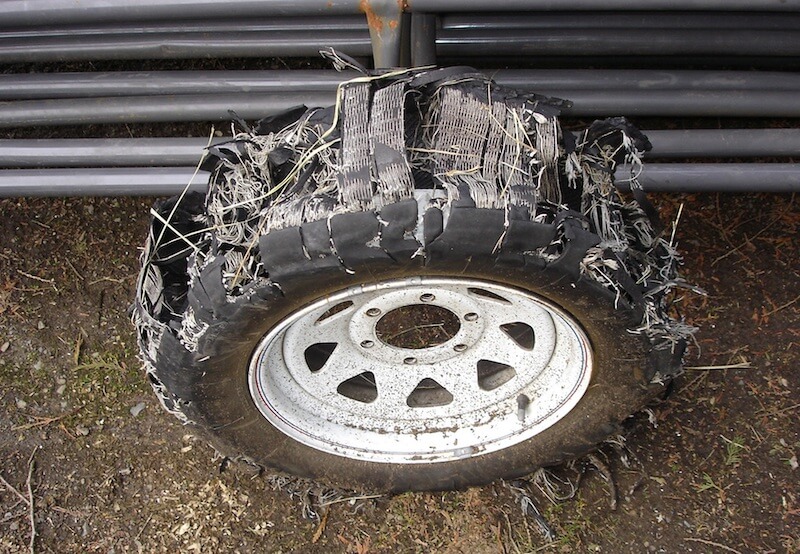
Tires are easy to ignore until something goes wrong. And unfortunately, when something goes wrong with a trailer tire, it usually happens at highway speeds.
Before hauling, it’s worth checking:
- Tire tread and wear patterns
- Proper inflation on all tires, including the spare
- Cracks, weathering, or sun damage
- Tire age and load rating
- Signs of uneven wear that could indicate axle or suspension issues
Even tires that appear to have plenty of tread can become unsafe as they age.
I’ve heard more than one rider say, “The tires looked fine,” right before describing a roadside blowout.
Be Prepared for the Unexpected
No one plans to change a tire on the side of the road, but being prepared makes a stressful situation a lot easier.
Keeping a few basic items in the trailer can save a tremendous amount of frustration:
- Wheel chocks
- Tire iron
- Jack or tire-changing block
- Emergency repair supplies
And don’t forget the spare. A spare tire isn’t much help if it’s flat too.
Dry Trailers Last Longer
Moisture is one of the biggest enemies of horse trailers.
Over time, damp conditions can lead to rust, mold, mildew, damaged flooring, and deteriorating tack storage areas. Good ventilation, regular cleaning, and keeping the trailer as dry as possible all help extend its life.
It’s one of those small habits that pays off year after year.
Small Checks Prevent Big Problems
Trailer maintenance isn’t particularly exciting, but neither is sitting on the shoulder of the highway with horses on board waiting for help.
A few minutes spent checking tires, inspecting equipment, and staying ahead of maintenance issues can make a tremendous difference in both safety and peace of mind.
Because at the end of the day, the trailer’s most important job is getting our horses safely to the places we love to ride.

Leigh Goodison Grieve is a freelance writer and editor, whose work has appeared in Western Horseman and Northwest Family Magazine among others. She is also co-owner of Horse Trailer Restoration, LLC, located in Battle Ground, WA, where she and her partner David Bodin restore, repair and maintain horse trailers. For more information see: www.handyrider.com*
Originally published at https://nwhorsesource.com/the-secret-lives-of-horse-trailers-part-1/

The Northwest Horse Source is an independently owned and operated print and online magazine for horse owners and enthusiasts of all breeds and disciplines in the Pacific Northwest. Our contemporary editorial columns are predominantly written by experts in the region, covering the care, training, keeping and enjoyment of horses, with an eye to the specific concerns in our region.
