

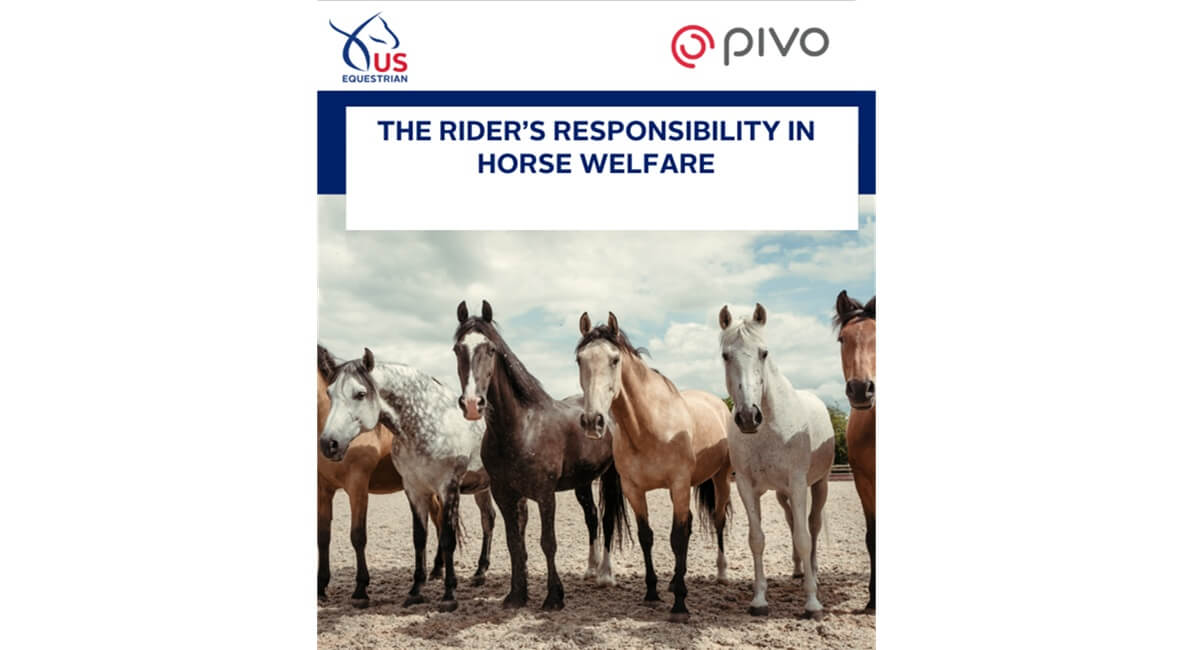

| When we talk about horse welfare, we often think of proper nutrition, veterinary care, turnout, and equipment. All of those are critical, but perhaps the most significant influence on a horse’s physical and mental well-being is the rider. Every time we sit in the saddle, we affect our horse — how and where they move, what they learn, and how confident and willing they feel. An independent seat — in which a rider is balanced, aligned, and able to give aids without relying on the reins or gripping for support — is not just a marker of skill. It is a responsibility. |
| Responsibility Beyond Enjoyment Riding brings joy, but with that joy comes obligation. Crooked posture, uneven weight, or tense hands are not just rider errors; they directly influence the horse’s comfort and long-term welfare. A rider committed to balance and clarity reduces strain, improves communication, and strengthens trust. This responsibility extends beyond the physical. A horse’s mental welfare is shaped by the clarity of our communication. Inconsistent or conflicting aids create confusion. Balanced, thoughtful riding fosters calmness and confidence. |
| The Challenge: Limited Awareness in the Saddle Yet here lies the challenge. In the moment, our perception is limited. What we feel and what is actually happening can be very different. Without “eyes on the ground,” it is difficult to recognize when our seat is slipping out of balance, or to see how our horse is truly responding to our cues. Trainers help, of course, but not every ride can be a lesson. Much of our responsibility as riders happens in the rides between instruction — when we are on our own. |
| Video: A Bridge Between Feel and Reality This is where video becomes a powerful tool for learning and accountability. Watching yourself ride allows you to step outside the moment, reflect more clearly, and connect your feel with what is actually happening. Video helps riders: • See what they feel. Subtle habits, such as leaning or uneven rein contact, become visible. • See the horse’s responses. It becomes clearer how the horse reacts — positively or negatively — to rider aids. • Extend learning beyond the ride. Reflection off the horse often leads to the greatest insights. LEARN MORE |
| Pivo: Making Video Accessible for Every Rider Of course, the challenge is recording every ride consistently. This is where technology such as Pivo supports the rider’s responsibility to the horse. Using AI-powered tracking, Pivo automatically follows horse and rider, hands-free. It makes regular, consistent video feedback possible for any rider, in any arena, without requiring someone to hold a camera. With Pivo, riders can: • Record every ride without assistance • Review their position and their horse’s response afterward • Share videos with trainers for feedback between lessons • Use features like slow motion or side-by-side comparisons to deepen analysis SHOP PIVO |
| A Shared Commitment Horse welfare begins with the rider. As equestrians, we carry the responsibility not only to enjoy the partnership, but to ensure our riding supports our horse physically and mentally. Modern tools like Pivo provide practical ways to meet that responsibility, helping riders see, reflect, and improve. This idea aligns with USEF’s mission that prioritizing horse welfare is a crucial commitment for all of us. With the right tools, we can remain lifelong learners in our quest to better our horses’ lives. LEARN MORE |
| US Equestrian members save 10% on Pivo Pods and Accessories!Use code ‘USEF10’ at checkout. |
News from the horse industry. Sharing today’s information as it happens. The Northwest Horse Source is not responsible for the content of 3rd party submissions.
