



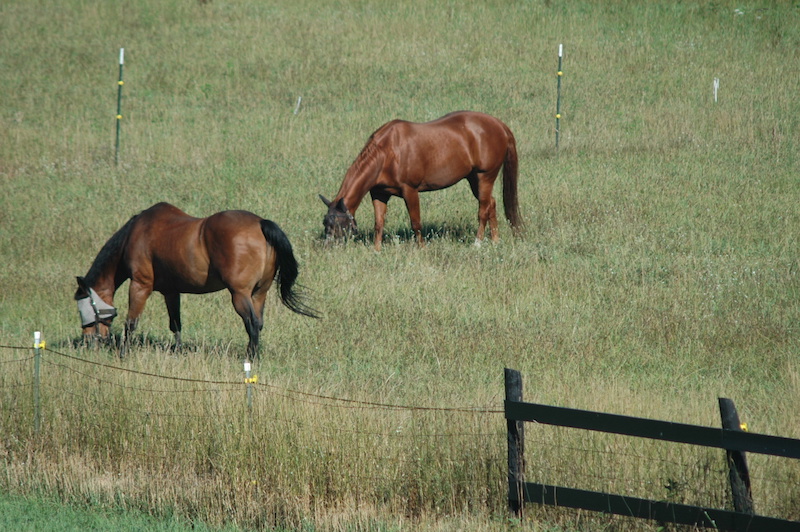
After a long winter, it’s common to find pastures looking a little worse for wear. Bare patches, thin grass, muddy areas, and signs of winter damage are all reminders that your grazing areas have worked hard through the colder months.
Spring offers the perfect opportunity to give those pastures a fresh start. A little time spent over-seeding now can lead to healthier forage, better grazing throughout the season, and fewer weed problems down the road.
Whether you’re caring for a few acres or managing multiple fields, thoughtful pasture maintenance pays off for both your land and your horses. The following tips will help you make the most of spring over-seeding and set your pastures up for a productive grazing season.
Ten Tips to Ensure Healthy Forage for Horses
by Laurie Cerny
Early spring is the ideal time to over-seed pastures. After a long, wet winter your pastures are going to need some TLC, including over-seeding, to get them back in shape. Here are ten tips for sound land management that will help ensure your horse has grazing come summer.
Here are some tips for pasture over-seeding:
- Walk fields as early in spring as possible. This is the best way to see where there has been winterkill, mold, bare spots and dirt tunnels made by field mice while underneath the snow.
- Pick the right seed for your soil. Orchard grass does well on most soils. Timothy does better in damper, heavier soils. Brome does OK on sandy soils and it’s very drought tolerant. Alfalfa is also drought tolerant, but is difficult to over-seed because it will not grow within a certain radius of another alfalfa plant.
- Do not over-seed on the snow if you have problems with wildlife like birds and deer. They will eat the seed. Watch for flocks of birds in your fields after you over-seed. If they become a problem, scare them off using deterrents like a scarecrow or by making a loud noise.
- Keep a pasture journal where you can make notes about when you over-seeded, which pastures were seeded and what seed you used.
- Keep horses off over-seeded fields for 6-8 weeks. If they are really small pastures you may want to keep the field out of rotation for one season.
- If you buy bagged pasture/hay seed, understand the language of a seed tag. The percentage of a certain seed by the weight is important. Because some seeds are very small and light, 20% of the seed in a mix could actually result in more like 40% of your stand. Be wary of hay mix blends that say *VNS*. This stands for “variety not stated” and could mean any type of seed is included. While you can use a seeder, including a hand seeder or even a fertilizer spreader, hand broadcasting tends to work best. That way you can control how much goes where: more in bare spots and less or none where there is a thick turf.
The Good Horse Keeping Guide to Pasture Management covers many important topics including over-seeding, pasture rotation, dry lots, winter management and more. It is available through *good-horsekeeping.com for $3.95 for electronic copies.
* (Good-horsekeeping.com is no longer active at the time this article was added to our website in 2018.)
Originally published at https://nwhorsesource.com/over-seeding-your-pastures-laurie-cerny/

The Northwest Horse Source is an independently owned and operated print and online magazine for horse owners and enthusiasts of all breeds and disciplines in the Pacific Northwest. Our contemporary editorial columns are predominantly written by experts in the region, covering the care, training, keeping and enjoyment of horses, with an eye to the specific concerns in our region.
