


Plan Your Next Horse Camping Trip
A solid plan doesn’t make a trip predictable; it makes it possible.
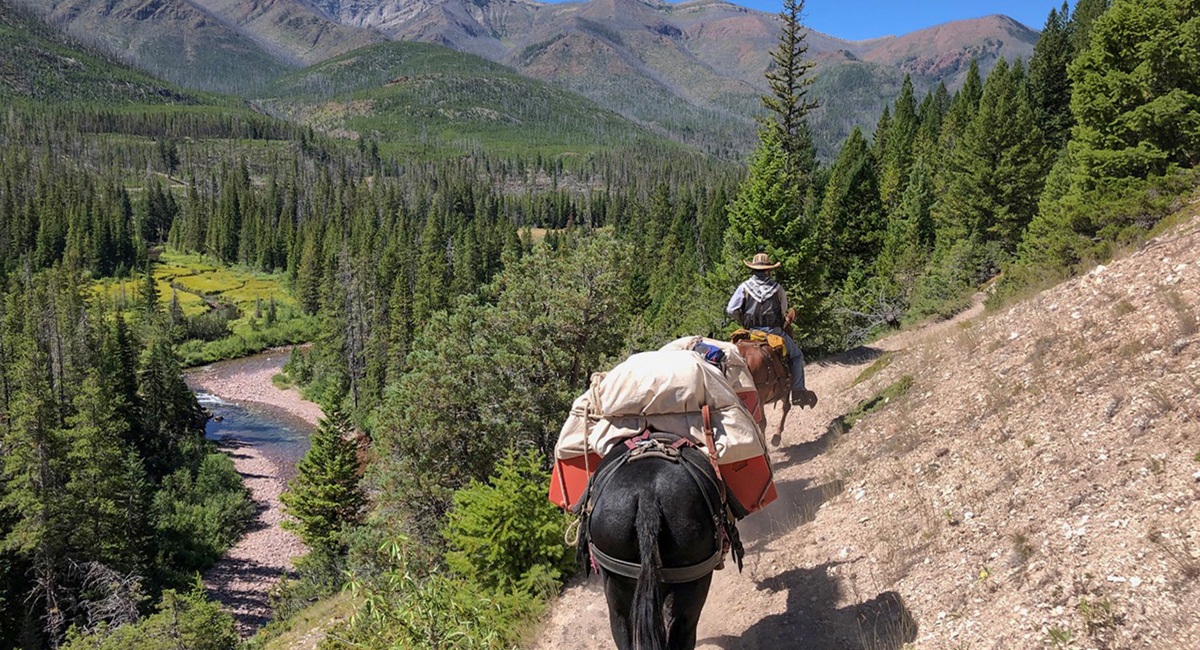
Every great horse-camping trip begins long before you tighten the cinch. It starts with maps spread out, coffee steaming, and dreams of alpine lakes and winding mountain trails taking form. Whether you’re setting up camp beside your trailer or heading deep into the backcountry with a pack string, sound planning is what turns wishful thinking into a safe, memorable adventure.
Know Your Team: Two- and Four-Legged
Good company makes for great trips. Choose trail partners whose riding styles, experience, and expectations align with yours. Some folks like to cover miles; others are happiest poking along and fishing at lunch. Be honest about what kind of ride you want.
The same goes for your horses or mules. Start conditioning early, long before the season begins. Gradually increase distance and terrain to build stamina, and notice how each animal handles water crossings, rocky footing, and elevation. Trail fitness takes time, and the last thing you want is to find your partner out of breath and unwilling just minutes from camp.
Pick the Right Trail for the Right Season
Maps are only part of the story. Snowfields, elevation, and seasonal closures can turn a perfect-on-paper route into a hard-learned lesson. Before you load the trailer call the local ranger district or back country horsemen chapter for updates on trail conditions, grazing rules, and fire restrictions. Verify current regulations for feed, campfires, and stock containment. Have a Plan B (and even a Plan C) because weather and wildfires can rewrite an itinerary overnight.
Trailhead or Backcountry: Comfort Over Luxury
Camping with stock can be as simple or elaborate as you like. At the trailhead, the trailer becomes home base. Park the rig, use highlines or corrals to keep the kiddos out of trouble, and dispose of manure properly before you roll out.
In the backcountry, a good camp balances efficiency and comfort. Lightweight doesn’t mean miserable; it means smart. Focus on the essentials: shelter, warmth, water, and a hot meal at the end of the day.
One week before every trip, I spread out my gear on the barn floor. Seeing it all in one place keeps me honest about what earns its spot. A pack list saves headaches later. Ounces become pounds, and pounds become pain, whether they’re carried by your truck or your mule.
Feed and Water: The Real Logistics
Stock care comes first. Regulations for feed vary by region and managing agency. Some require certified weed-free hay or pellets; others simply encourage it. Do your homework before you go, because it’s your responsibility to know and follow the local rules. Even where it’s not required, weed-free feed is a good habit that helps protect the places we ride.
At the trailhead and beyond, know how you’ll manage the ten to fifteen gallons of water each animal needs daily. In the backcountry, plan water stops and grazing carefully. Always camp well away from lakes or streams and keep a clean camp. Another good rule to ride by: plan for the worst and enjoy the best. Once the basics are covered, make sure the rest of your gear is ready too.
Test Everything at Home
A trip is not the time to test new gear. Set up your tent, load your panniers, tie your packs, and check your trailer systems before you hit the road. Practice balancing loads. It’s easier to fix a problem in the driveway than halfway up the mountain. The same goes for stoves, lanterns, and coffee pots. A cold morning is no time to learn your lighter doesn’t work.
Respect the Land: Leave No Trace
Good planning includes a cleanup plan. Scatter manure, fill picket holes, and pack out all trash, including small items like baling twine or coffee grounds. Keep camps as small as possible and teach newcomers the “leave it better” mindset. Our continued access to these wild places depends on how well we care for them.
The Final Step
A solid plan doesn’t make a trip predictable; it makes it possible. The more you prepare before you leave the barn, the more freedom you’ll have once you’re in the saddle. When everything, from your horse’s conditioning to your camp setup, has been thought through, you can relax, breathe in that mountain air, and enjoy the reason we all do this: the quiet rhythm of hooves, the scent of pine and leather, and the simple joy of traveling with a good horse or mule beneath you.
So spread out the map, start the list, and make a plan. The trail is calling, but remember—the ride begins long before you saddle up.
For trail maps, safety tips, and the largest horse-camping directory in the U.S., visit TrailMeister.com. You can also find my books, The ABCs of Trail Riding and Horse Camping, It’s a Cinch!, and Daily Wisdom from the Saddle on Amazon.
See this article in the November 2025 Online Digital Edition:
November 2025
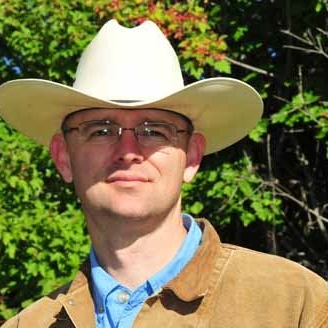
Robert Eversole, ”the trail meister,” owns www.TrailMeister.com, the largest database of horse riding and camping areas in the U.S. with free trail and trailhead information, trail maps, and much more to help horse enthusiasts experience the joys of trail riding. Robert is a registered riding instructor with PATH International, a mounted search and rescue team member, and a U.S. Marine who has served on the board of the Backcountry Horsemen of Washington (BCHW). He is enjoying his new career helping fellow trail riders stay found and safe on the trail. When not on the trail, The Trail Meister resides near Spokane, WA and teaches land navigation to a wide variety of outdoor groups across the nation. For North America’s largest horse trail and camping directory, trail tips, and more, visit www.TrailMeister.com.
