

Research offers encouraging news for owners managing arthritis in horses with PPID
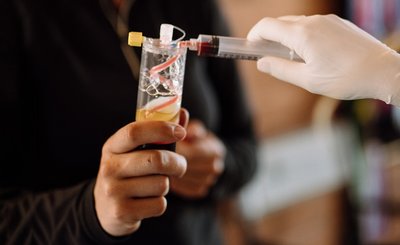
Caring for an older horse can feel like a balancing act. PPID in horses, commonly called Cushing’s disease, can complicate decisions about pain management—especially when insulin dysregulation and the risk of laminitis are also concerns.
That is why new research involving regenerative medicine devices such as Pro-Stride® APS and IRAP attracted my attention. I spoke with Dr. Liberty Getman, an equine veterinarian, surgeon, and Technical Services Veterinarian with Zoetis, about what the findings may mean for horse owners caring for seniors with PPID and arthritis.
Regenerative Medicine in Plain English
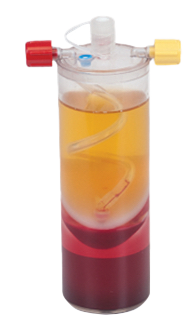
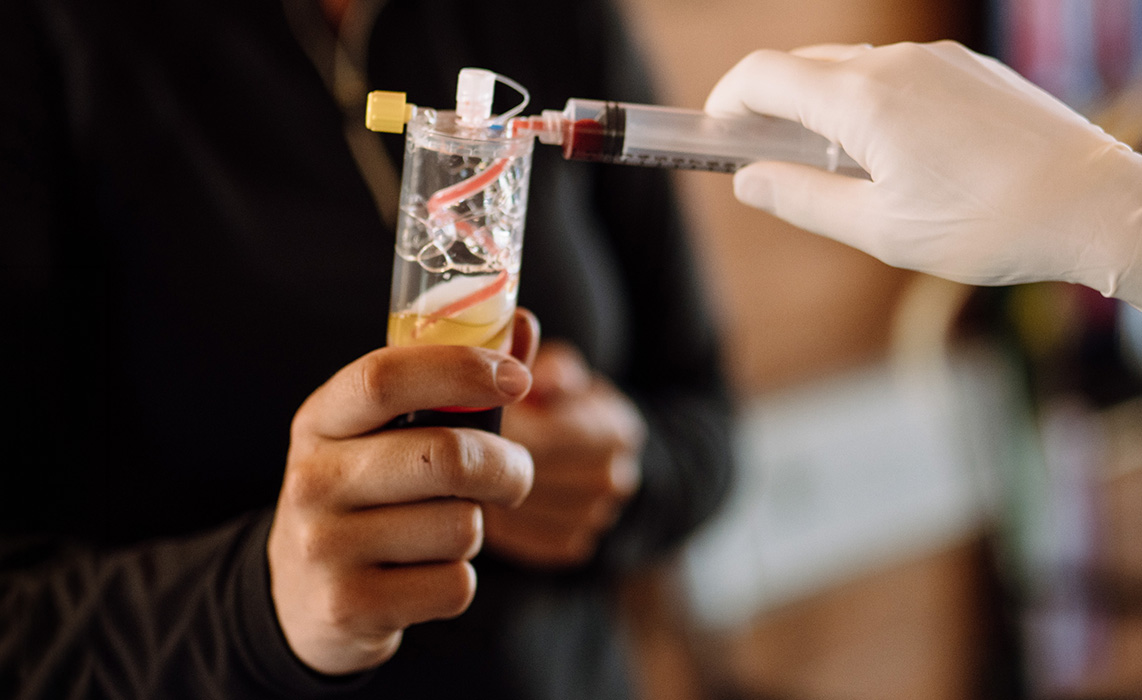
The Pro-Stride APS system processes the horse’s own blood to produce an autologous protein solution for veterinary use. Images courtesy of Zoetis.
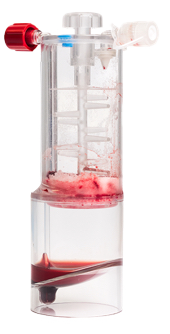
Regenerative medicine sounds complicated, but the basic idea is fairly simple. These treatments are prepared from a horse’s own blood or bone marrow. The material is processed to concentrate selected cells and proteins, then administered by a veterinarian to an injured or inflamed area.
“Essentially, we’re trying to use something within the patient’s own body to help heal itself,” Getman explained.
Pro-Stride APS produces an autologous protein solution from the horse’s blood and is used by veterinarians to help manage joint inflammation and osteoarthritis. IRAP produces autologous conditioned serum, also from the horse’s blood. Other orthobiologic treatments, including platelet-rich plasma, may be considered for certain tendon and ligament injuries.
But the use of the horse’s own blood raised an important question: If PPID can affect immune and metabolic function, would blood from a horse with PPID yield a product similar to one prepared from a healthy horse?
What the Study of PPID in Horses Found
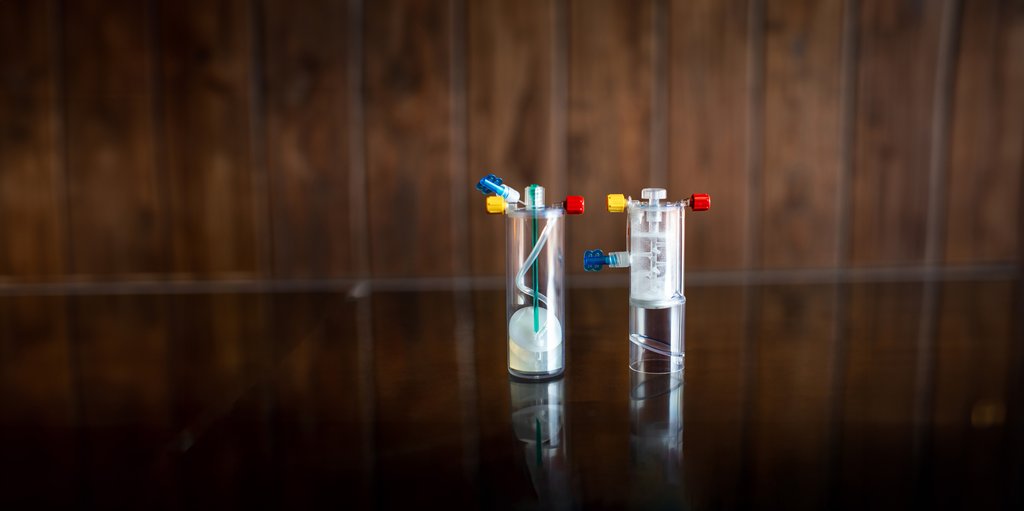
Blood-processing devices used to prepare autologous regenerative medicine products for horses. Photo courtesy of Zoetis.
University of Georgia researchers compared autologous protein solution and autologous conditioned serum prepared from 10 horses with PPID and 10 metabolically healthy horses. They measured cytokines and other components in the finished preparations.
The researchers found that PPID did not significantly alter the cytokine profiles of the preparations they tested.
“There was no difference in the output of the products from the horses that had PPID and those that were metabolically normal,” Getman said during our interview.
That is reassuring, but it is important to understand what the study did—and did not—prove. It evaluated the composition of the blood-derived preparations. It did not treat arthritic PPID horses or directly measure pain relief, soundness, safety, or duration of benefit in those horses. The results support further clinical study rather than guaranteeing how an individual PPID horse will respond.
For owners, the practical message is that PPID did not appear to prevent the tested devices from producing preparations with comparable measured cytokine profiles.
Why Corticosteroids Require Careful Consideration
Corticosteroid joint injections have long been used to reduce inflammation and relieve joint pain. They remain an important treatment option, but veterinarians may use additional caution in horses with insulin dysregulation because high insulin concentrations are associated with endocrinopathic laminitis.
A separate University of Kentucky study helps explain that concern. Researchers studied five healthy, metabolically normal geldings. Each horse received, during separate study periods, an injection of triamcinolone acetonide, Pro-Stride APS, or saline into a joint.
The triamcinolone treatment caused temporary insulin resistance and suppression of the adrenal response. Those systemic metabolic changes were not observed after Pro-Stride APS or saline. Because the study involved only five healthy horses—not horses with PPID or insulin dysregulation—it does not establish comparative safety in all metabolically vulnerable horses. It does, however, provide a sound reason for veterinarians to consider the whole horse when choosing a joint treatment.
In our interview, Getman described Pro-Stride as potentially safer “from a metabolic perspective” for a horse with PPID. The careful word is potentially: the most appropriate treatment still depends on the individual horse, its metabolic status, the diagnosis, and the veterinarian’s judgment.
Diagnosis Comes Before Treatment
The first step is not selecting an injection. It is finding the source of the pain.
A horse with inflammation or osteoarthritis in a specific joint may be a candidate for an orthobiologic treatment. A tendon or ligament injury may call for a different approach. A senior horse that simply looks “sore all over” still needs a proper lameness evaluation.
Sometimes generalized stiffness is being driven by one or two particularly painful areas. Identifying and treating those areas may make a meaningful difference in the horse’s comfort.
Don’t Dismiss Subtle Changes as Old Age
Horses often tell us they hurt before they become obviously lame.
A horse that has always behaved for the farrier may suddenly resist holding up a leg. A horse that never minded being saddled may become girthy. Another may repeatedly rest the same leg, hesitate to turn, or become less willing to do familiar work.
The sore leg may not be the one you are trying to lift; the horse may be reluctant to bear weight on the opposite limb.
“I always tell horse owners, you know your horse and you know when something has changed or something is different,” Getman said.
Those changes are easy to blame on age or attitude. They are also good reasons to call your veterinarian.
PPID Signs Can Be Subtle, Too
PPID does not always begin with the dramatic long, curly hair coat many owners associate with Cushing’s disease.
Early signs may include delayed shedding, loss of topline and muscle, abnormal fat distribution, increased drinking and urination, recurrent infections, or a change in attitude or performance. Laminitis may also be associated with PPID, particularly when insulin dysregulation is present.
A horse that suddenly becomes foot sore on grass after years without trouble deserves prompt attention. What looks like mild tenderness could be an early warning of laminitis.
Medication Is Only Part of Management
A horse being treated for PPID still needs ongoing veterinary care. Follow-up testing helps the veterinarian evaluate the response to treatment and decide whether management or medication needs to change.
Pasture access may need attention as well, particularly if testing shows insulin dysregulation. Restricting grass with a dry lot or grazing muzzle can be hard for an owner to accept, but it may be necessary to protect a susceptible horse’s feet.
Good senior-horse management looks at the whole picture: medication, diet, pasture access, hoof and dental care, body condition, appropriate exercise, and pain control.
How Long Might Pro-Stride Help?
Published research in horses with naturally occurring osteoarthritis has reported improvement in lameness for as long as one year after a single Pro-Stride APS treatment. That does not mean every horse will receive a year of relief. Response and duration vary with the horse, the joint, the severity of disease, and other factors.
Cost also varies. Pro-Stride may cost more than a traditional steroid and hyaluronic-acid injection when one joint is treated, although one preparation may sometimes be divided among multiple joints at the veterinarian’s discretion. Your veterinarian can explain the likely costs and whether the treatment is appropriate for your horse.
Quality of Life Matters
Managing an older horse is not simply about extending life. It is about protecting quality of life.
Pain can limit movement. Metabolic disease can change what a horse can safely eat. Dental problems can complicate feeding. Suddenly, caring for a beloved senior feels like a puzzle in which solving one problem may affect another.
The Georgia research does not offer a cure for PPID or arthritis, and it does not prove that regenerative therapy will work for every PPID horse. What it does show is that PPID did not significantly change the measured cytokine profile of the Pro-Stride APS and IRAP preparations studied. Together with research documenting systemic metabolic effects after a commonly used corticosteroid, the findings give veterinarians useful information when weighing options for an individual horse.
“Don’t be shy in advocating for your horse and just asking your veterinarian if these regenerative therapies would be appropriate to help your horse,” Getman advised.
For those of us trying to keep senior horses comfortable and enjoying their lives, that is a conversation worth starting.
Watch the full Northwest Horse Source interview with Dr. Liberty Getman: YouTube interview
This article is for educational purposes and is not a substitute for veterinary diagnosis or treatment. Work with the veterinarian familiar with your horse to determine appropriate PPID testing and management, pain treatment, and laminitis-prevention measures.
Research referenced: University of Georgia research on PPID and blood-derived regenerative medicine preparations, and University of Kentucky research comparing the metabolic effects of Pro-Stride APS and triamcinolone acetonide.
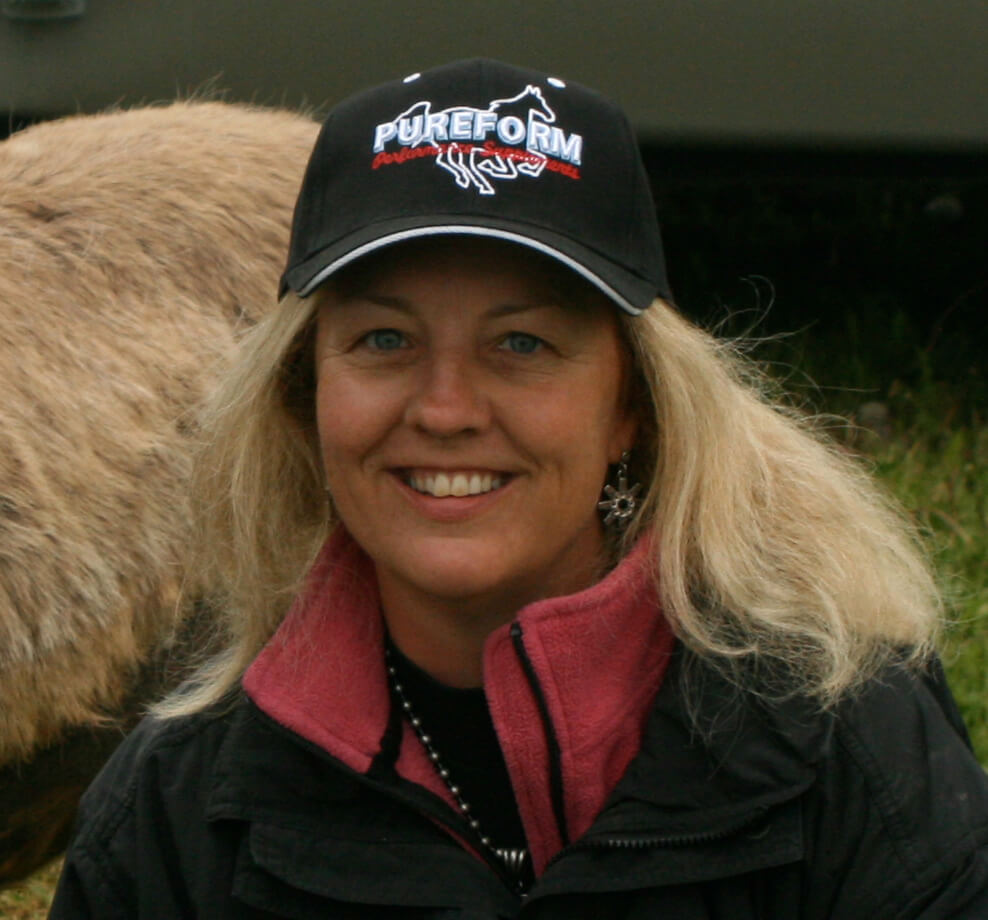
Owner / Publisher | Canfield Certified Trainer
Karen Pickering is a lifelong horsewoman and the founder of The Northwest Horse Source, which began in 1995 as a small equine newsletter and grew into a respected industry publication. With more than 30 years of experience serving the horse community, Karen now focuses on helping equine businesses and organizations build visibility, credibility, and lasting relationships through online marketing, digital promotion, and educational platforms.
As a Canfield Certified Trainer, she blends proven success principles with real-world industry experience, supporting both businesses and individuals navigating change in today’s digital landscape. Karen remains deeply connected to the horse industry and is passionate about serving the community she has helped build for over three decades.
