




Loving the Old Days but Looking Forward
I have a hard time with change. I push back against it, bury my head in the sand, and deny reality. But life is full of change, and I know intellectually it’s a good thing. To change is to adapt and to adapt is to survive. That doesn’t mean I have to like it.
When I first went off to college in 1979, I was urged to enroll in a computer science class. On the first day of class, the professor lectured about the future she believed we were heading toward: a world where cash was no longer used and everyone carried a card and money would move from our bank accounts directly to the retailer. Books and magazines would disappear, and we’d read everything on computers; information would update constantly. No more typewriters—they were already being replaced by word processers, though I carried on with my old typewriter (not electric!) into the 1990s. My professor said we’d all carry a device that would connect us to our banks, to each other, the government, and the world. Bank tellers, telephone operators, grocery store checkers, and many other jobs would be replaced by computers. Identification like licenses and passports would also be electronic.
I was horrified. The professor talked as though this was going to be a good thing but to me it sounded like a dystopian nightmare. I dropped the class and dove into to my much-loved organic sciences. And horses of course.
I think about that professor often and about my young stubborn self and how much better off I’d be now if I hadn’t been so afraid of change and had embraced the computer age.
This is one of the reasons I admire our publisher, Karen Pickering. She’s a few years younger than I am but where I resisted, she explored and developed a wonderful resource in The Northwest Horse Source magazine. Karen appreciates many of the old ways too—she loved bringing the print magazine to readers, but she’s reading the room and moving on, learning, and creating new digital ways to get information out.
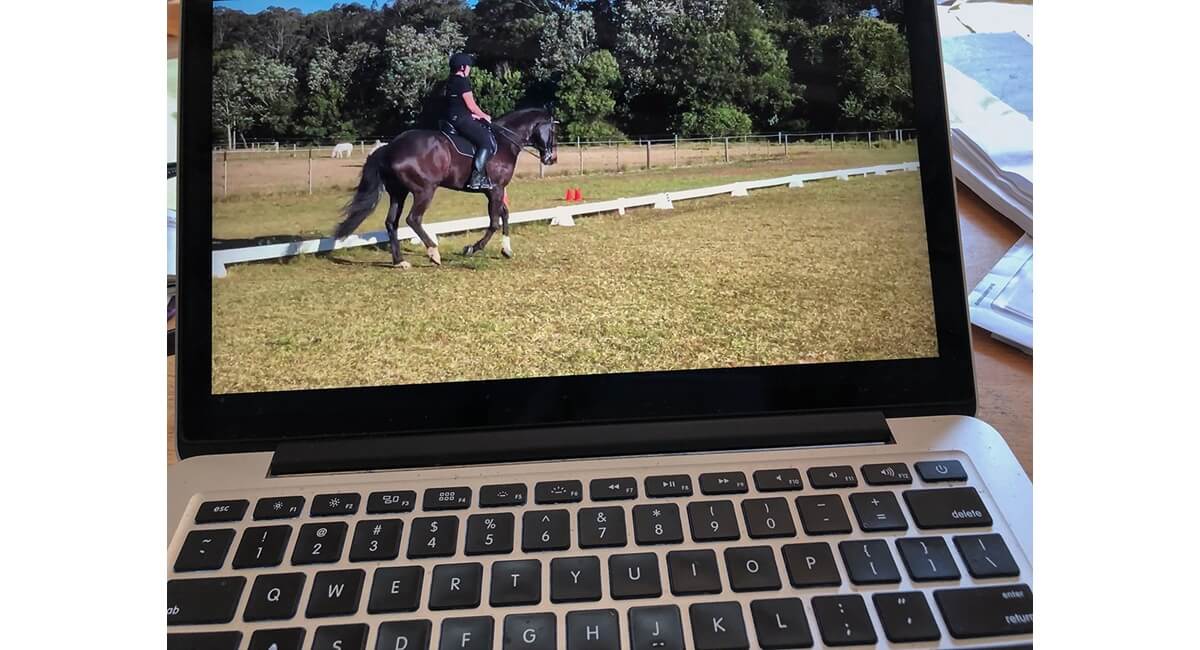
During my time at the Northwest Horse Source, I’ve learned a lot about computers, the internet, and how we connect to each other, and I do see the positive side of it. The skills I’ve gained have helped me be a better business owner of Blue Gate Farm, helped my writing, and helped me gain my Working Equitation judge license—I’ve even judged online horse shows which helped me survive the pandemic. I’m incredibly grateful to Karen for her leadership and her example of embracing what’s new. Onward and upward!
See this article in the December 2025 Online Digital Edition:
December 2025
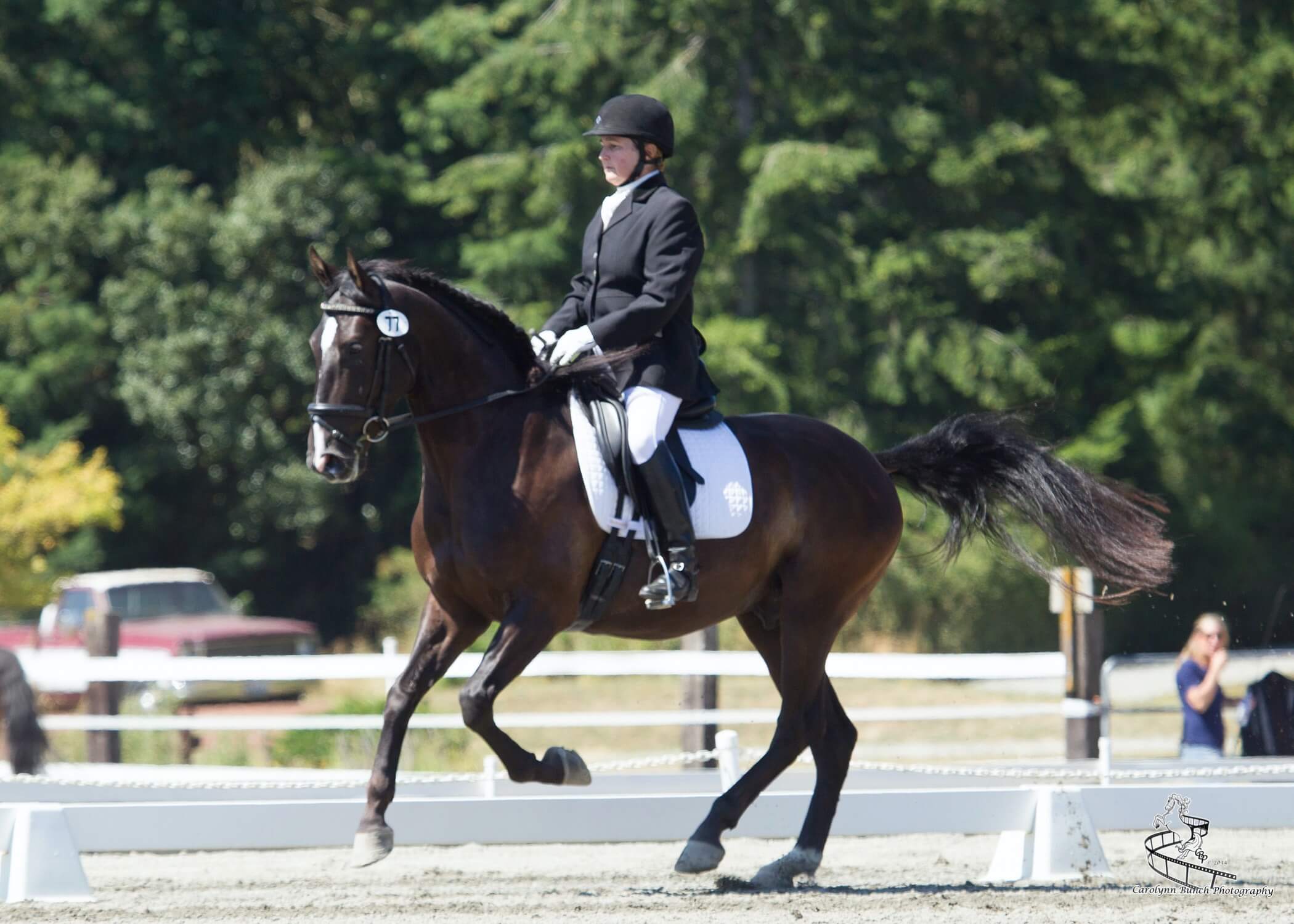
Kim Roe grew up riding on the family ranch and competed in Western rail classes, trail horse, reining, working cow, and hunter/jumper. She trained her first horse for money at 12 years old, starting a pony for a neighbor.
Kim has been a professional dressage instructor in Washington state for over 30 years, training hundreds of horses and students through the levels. In recent years Kim has become involved in Working Equitation and is a small ‘r’ Working Equitation judge with WE United.
Kim is the editor of the Northwest Horse Source Magazine, and also a writer, photographer, and poet. She owns and manages Blue Gate Farm in Deming, Washington where she continues to be passionate about helping horses and riders in many disciplines.
