

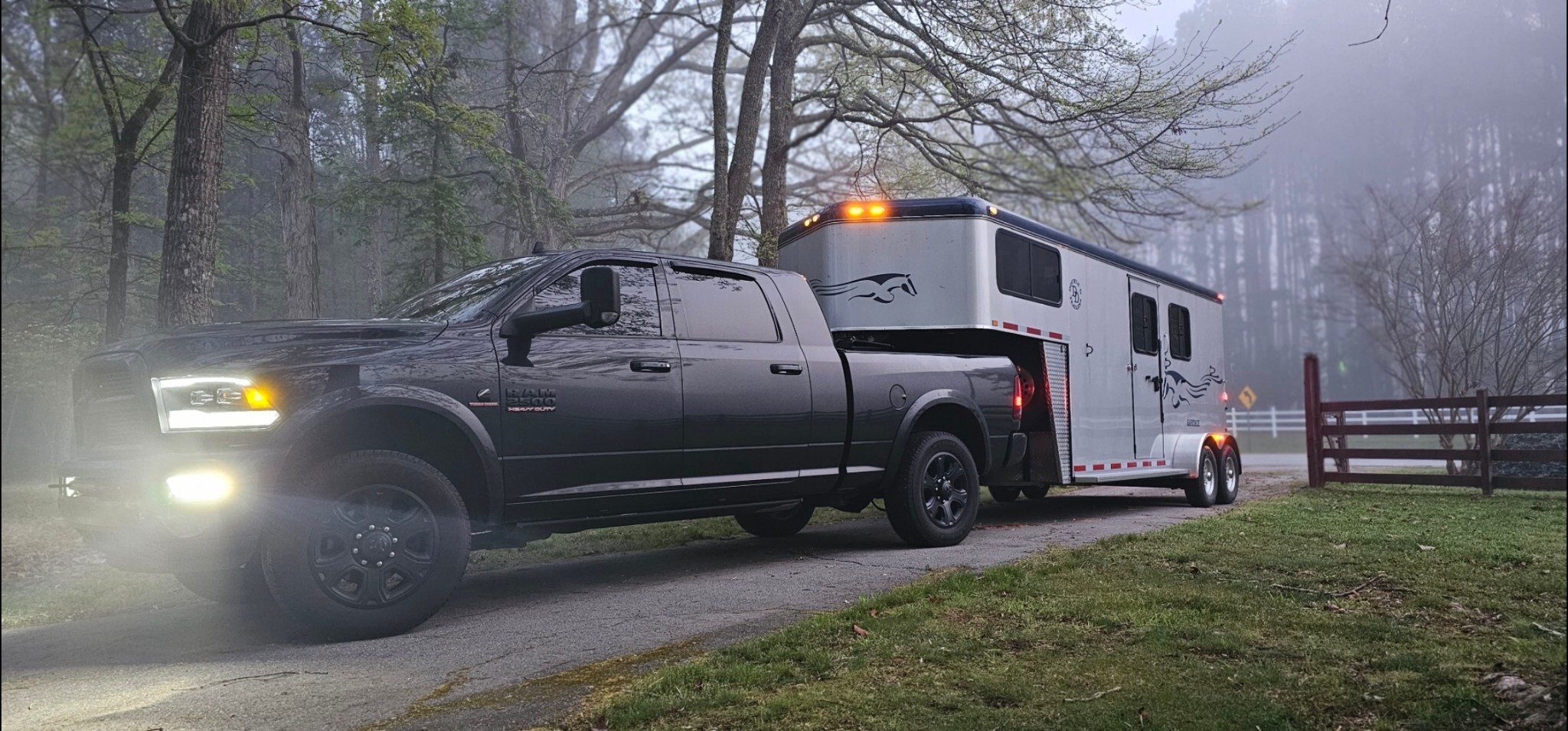
Buying a horse trailer can be surprisingly complicated. Bumper pull or gooseneck? Straight load or slant? New or used? And how do you know whether your tow vehicle can safely handle the trailer once horses and gear are aboard? Brad Heath, founder of Double D Trailers, says the best place to begin isn’t with the trailer at all—it’s with your horse and how you plan to use it. One horse owner’s experience illustrates why.
Chelsea had ridden horses most of her life before she ever had to buy a horse trailer.
She started riding at seven, joined 4-H, rode on her college equestrian team, and eventually bought a gelding named Sherwin. That’s when she realized something a lot of horse owners discover the hard way… knowing horses doesn’t automatically mean you know horse trailers.
“Buying a trailer is a big deal,” she told me. “It was daunting. I had no idea what to look for.”
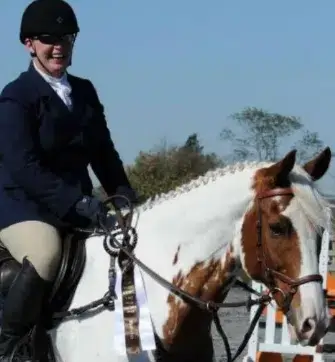
Chelsea did what a lot of first-time buyers do. She started looking for a used two-horse bumper pull that was within her budget. She and her dad found one, brought it home, and then started finding things that needed attention. There was rust on the frame. The wood floor needed work. They spent weeks making repairs before she felt comfortable hauling her horse Sherwin in it. She learned a lot from that first trailer.
Years later, when she was traveling farther and hauling more gear, she moved into a two-horse gooseneck. By then, she had a much better idea of what mattered to her. Her advice now is pretty simple: “Don’t rush. Bring a knowledgeable friend. Do your homework.” That’s good advice whether you’re buying your first trailer or your fifth.
Start with the horse, not the trailer
I’ve talked with horse owners about trailers for more than 30 years, and one thing I’ve noticed is that buyers tend to start with the trailer instead of the horse. They ask, “Should I get a bumper pull or gooseneck?” Or, “Is a straight load better than a slant?” Or they start comparing brands, prices, colors and options. Those are all fair questions. They’re just not the first questions I would ask. I’d start with the horse standing in your barn.
How big is he? How does he load? Is he comfortable backing out? Does he get nervous in a narrow opening? Are you hauling a 14.2-hand Quarter Horse today but hoping to buy a 17-hand warmblood in a few years?
A trailer can say “two horse” on the side and still not be a good fit for your two horses. Look at the actual stall measurements. Look at the height. Look at how much room the horse has around his body and head. Then look at the entrance. I’ve seen plenty of situations where the trailer itself was perfectly serviceable, but the loading setup created a problem every single time the owner wanted to go somewhere. If your horse is already nervous about loading, putting him through a narrow, dark opening isn’t likely to make things easier. If he hates backing out, think about whether you want to do that every time you haul…
And don’t forget about yourself. Where are you standing when you latch a divider? Do you have to get behind the horse? If there’s a problem on the side of the road, can you safely get to each horse? Those are the things that become important after the excitement of buying the trailer wears off.
The next question is what you actually plan to do with it. If you’re hauling one or two horses to a local trailhead or lesson barn, you may not need a big gooseneck with a lot of extra space. A bumper pull can be a great fit and, with the right tow vehicle, is perfectly capable of safely hauling horses. On the other hand, if you’re traveling to shows for several days, hauling multiple horses, carrying a mountain of tack and equipment, or spending nights on the road, your needs change pretty quickly. That’s what happened with Chelsea. Her first trailer got Sherwin where he needed to go. Later, she was hauling two horses and everything she needed for week-long trips. A gooseneck simply made more sense for the way she was using it.
Straight load vs. slant load
Straight load versus slant load is much the same story.
I don’t think buyers should choose a layout because somebody tells them one is always better. Look at your horses and look at how you want to load and unload them. Some people and horses are perfectly comfortable with a traditional straight load. Others prefer a slant. Some want a reverse-facing arrangement or a layout where the horse can walk on and walk off rather than backing out. What matters is whether it works for your horses.
What your truck can actually handle
Then we get to the tow vehicle, and this is where I’d encourage every buyer to slow down and check the numbers. You’ll hear things like, “My truck can tow 10,000 pounds.” Maybe it can. But that number alone doesn’t tell you whether the truck and trailer are a good match. You also have to consider payload, axle ratings, hitch capacity, tongue or pin weight, and the combined weight once you add horses, tack, hay, water, passengers and everything else you carry. A vehicle can have enough power to pull a trailer down the road and still be overloaded somewhere else. A half ton truck rated to tow 10,000 lbs might only have 1,500 lbs of payload left once passengers and gear are in it. I always recommend checking the specifications for the exact vehicle, not just the model name or what somebody remembers hearing at the dealership. Most horse trailer manufacturers can walk you through payload and hitch specs for a specific model if you ask.
Don’t let price decide for you
Finally, don’t let price make the whole decision for you.
A used trailer can be an excellent buy. It can also be a cheap trailer that becomes an expensive trailer after you repair the floor, brakes, tires, roof or frame. If you’re buying used, get underneath it. Look at the floor. Look at the frame. Check for water leaks and corrosion. Look at the tires and running gear. If you don’t know what you’re looking at, bring somebody who does.
Chelsea would probably tell you the same thing.
The biggest mistake isn’t buying a bumper pull instead of a gooseneck, or choosing a slant instead of a straight load. It’s rushing into a trailer before you’ve thought through how it needs to work for you.
Before you buy, ask yourself: Will my horses fit comfortably? Can I load and unload them safely? Can my tow vehicle handle the trailer when everything is loaded? Can I reach a horse in an emergency? And will this setup still make sense for me a few years from now?
If you can answer those questions confidently, you’re a lot closer to buying the right trailer. Because in the end, the right trailer isn’t really about the trailer. It’s about how well it works for you and your horse.
Want to learn more?
We send the book out for free. Just fill out a request form at this link. doubledtrailers.com/freebook
Images supplied by Double D Trailers.
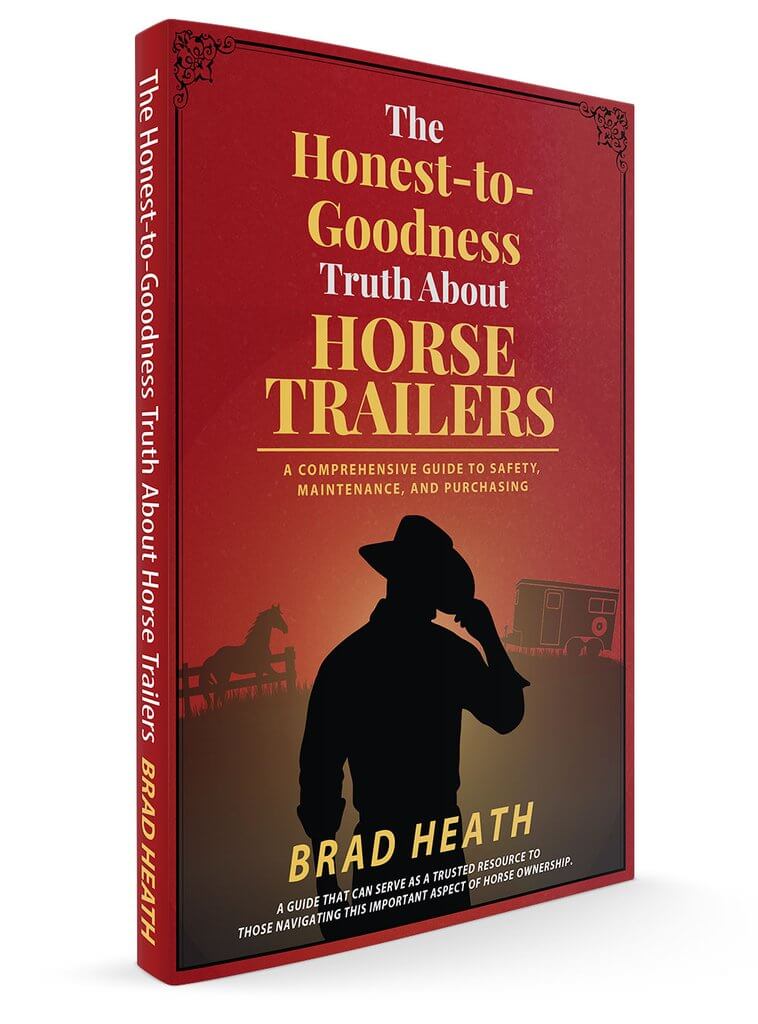
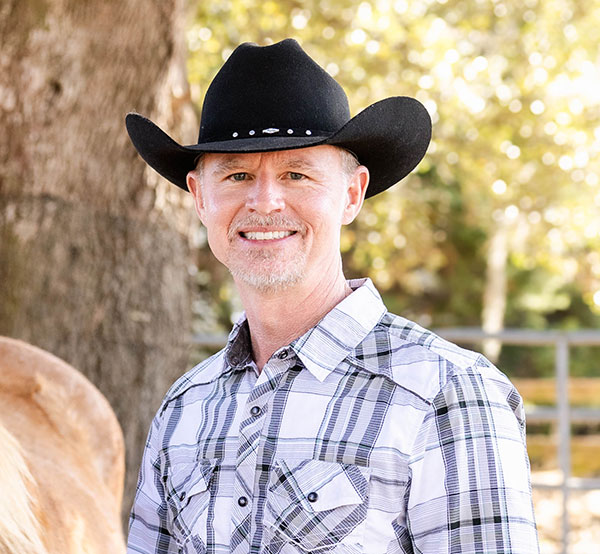
Brad Heath is the founder of Double D Trailers, a factory-direct custom horse trailer manufacturer, and the author of The Honest-to-Goodness Truth About Horse Trailers. Visit his website at DoubleDHorseTrailers.com
